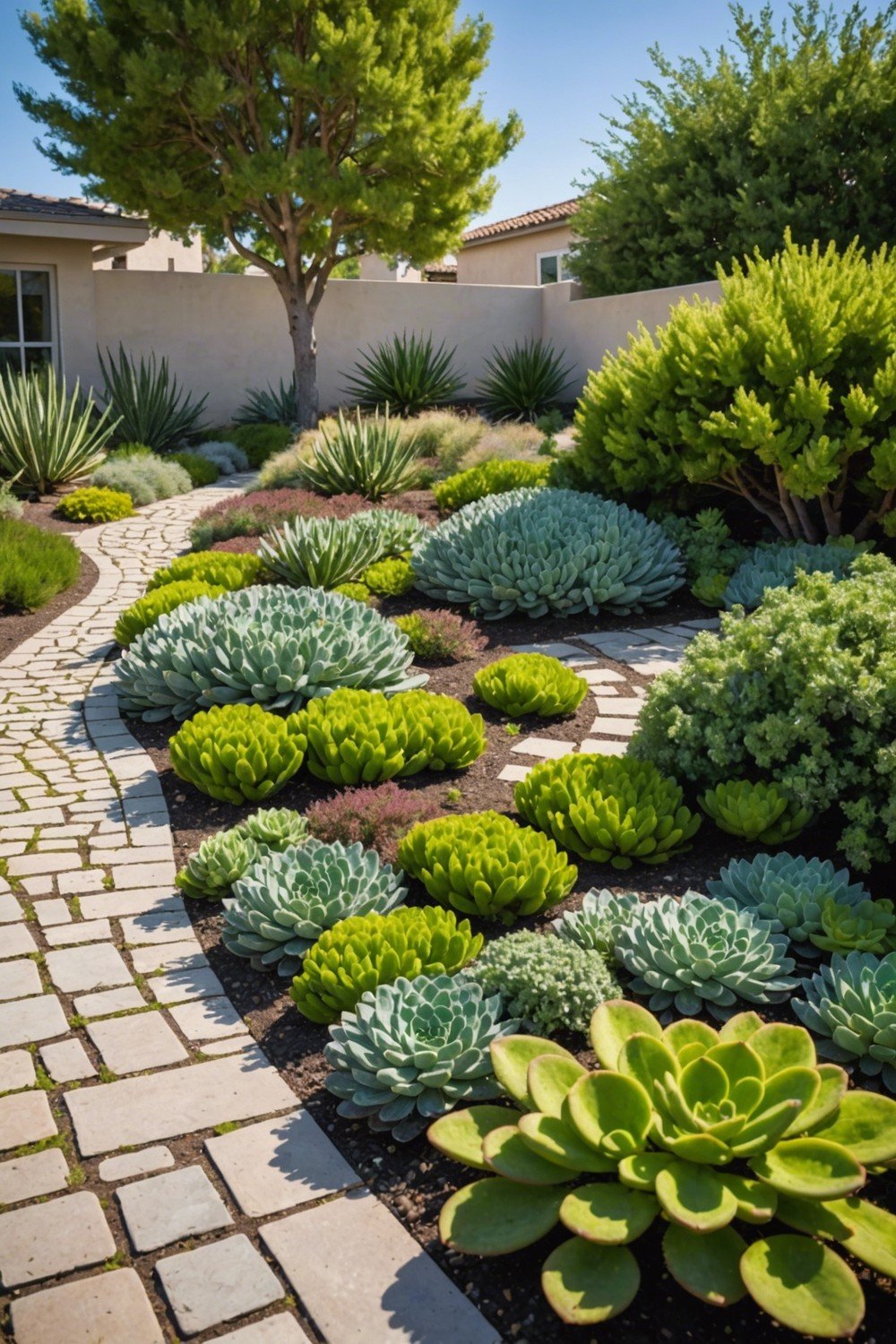
Water Wise Landscaping: A Guide to Beautiful, Low-Water Gardens
For many Southern California homeowners, the desire for a beautiful garden feels at odds with the reality of high water bills and conservation efforts. When you hear the term water wise landscaping, does your mind immediately jump to a barren landscape of gravel and a few lonely cacti? It’s a common misconception, one that leaves many feeling stuck between a yard they don't love and expenses they can't sustain. The truth is, a thoughtful, water-wise approach can result in a garden that is lush, colorful, and full of life-without the guilt or the high maintenance.
This guide is designed to move you beyond the stereotypes. We will show you the core principles for creating a functional, low-water outdoor space that works beautifully for our unique climate. You’ll discover an incredible variety of climate-appropriate plants that offer stunning texture and color, and you'll gain the practical knowledge to transform your yard into a sustainable landscape you can be proud of. It’s time to create an outdoor space that is both beautiful and intelligent.
Key Takeaways
- A beautiful, low-water garden is about a thoughtful approach, not a limited plant palette of just rocks and cacti.
- Learn which vibrant, climate-appropriate perennials and grasses can create a colorful landscape without high water use.
- Professional design techniques like layering and grouping are essential for creating a full, cohesive look in your water wise landscaping.
- Understand why how you water is as critical as what you plant for establishing a thriving, efficient garden.
Busting the Myth: What Water-Wise Landscaping Really Means for Your SoCal Home
When homeowners hear the term "water-wise landscaping," the first image that often comes to mind is a barren yard of gravel and a few lonely cacti. This is one of the most persistent and costly misconceptions in garden design. In reality, a water-wise approach is a thoughtful, cohesive strategy for creating a garden that is not only beautiful but also perfectly suited to Southern California's unique climate.
It’s about achieving a lush, vibrant, and functional outdoor space that saves you water, time, and money on maintenance. It’s about choosing the right plants and using the right techniques to build a landscape that works beautifully.
To better understand this concept, watch this helpful video:
Beyond the Succulent: The True Aesthetic of a Water-Wise Garden
A common mistake is thinking a low-water garden lacks visual appeal. The opposite is true. A well-designed water-wise garden is rich with layers, diverse textures, and year-round color from climate-appropriate flowers, grasses, and shrubs. The goal is to create a thriving, self-sufficient ecosystem, not a stark desert replica. This approach is incredibly versatile, allowing for styles ranging from rustic Mediterranean to charming cottage to sleek and modern.
It’s a System, Not Just a Plant Choice
Success in water-wise design goes far beyond plant selection. It’s a complete system where every element works together. This thoughtful approach, often known by the technical term explained in What is Xeriscaping?, integrates several key components for long-term value. These include building healthy soil that retains moisture, using a protective layer of mulch to reduce evaporation, and installing efficient, targeted irrigation to deliver water directly where it's needed.
Why Southern California's Climate Demands a Smarter Approach
Living in Southern California means dealing with the realities of prolonged drought, intense heat, and water-use restrictions. Fighting against our climate with thirsty lawns and high-maintenance plants is an expensive, frustrating battle. A water wise landscaping plan is the most logical and beautiful solution. It’s a pragmatic choice to work with our environment, creating a resilient, stunning garden that thrives in local conditions and enhances your home’s curb appeal for years to come.
A Palette of Possibilities: Colorful Plants for a Thriving Low-Water Garden
One of the most common myths about water wise landscaping is that it must be a stark, colorless expanse of rock and cactus. The reality is far more vibrant. A thoughtful, low-water garden is a dynamic ecosystem buzzing with life, offering a rich tapestry of colors, textures, and forms. The key is selecting the right plants for Southern California's climate. A successful design starts with choosing appropriate low-water garden plants that are proven to thrive here. It's important to remember that "drought-tolerant" doesn't mean "no-water." These resilient plants simply require less frequent watering once established, making them a functional and beautiful choice for a sustainable landscape.
Vibrant Flowering Perennials and Shrubs
For long-lasting color that attracts local pollinators like bees and butterflies, perennials and shrubs are essential. Many bloom for months, providing a reliable source of beauty. Consider these climate-appropriate choices:
- Lavender (Lavandula): Offers iconic purple spikes and a calming fragrance, thriving in full sun with minimal water.
- Salvia (Sage): A huge family of plants with varieties that produce intense red, purple, and blue flowers.
- Yarrow (Achillea): Features flat-topped flower clusters in yellow, white, or pink that stand on tall, sturdy stems.
- Ceanothus (California Lilac): A California native that explodes with stunning blue and purple blossoms in the spring.
Grasses and Foliage for Texture and Movement
While flowers provide pops of color, foliage and grasses build the garden's structure and offer year-round interest. Ornamental grasses like Deer Grass (Muhlenbergia rigens) add a soft, graceful texture that sways beautifully in the breeze. For a bold, architectural statement, plants with striking foliage like Phormium (New Zealand Flax) create a dramatic backdrop that makes flowering plants stand out even more. This combination of textures is fundamental to creating a cohesive and visually interesting garden design.
Water-Wise Trees for Shade and Structure
You don't have to give up the cooling comfort of a shade tree in a low-water yard. Selecting the right tree provides essential structure and can significantly cool your home and outdoor living spaces, reducing energy costs. A superb choice for Southern California is the Desert Museum Palo Verde. This stunning, multi-trunked tree offers a filtered canopy of shade, requires very little water once established, and produces a spectacular display of yellow flowers in the spring. It’s a perfect example of how water wise landscaping delivers both beauty and practical, long-term value.
Smart Design Secrets: How to Create a Full and Lush Landscape
A common concern with water-wise gardens is that they will look sparse, dry, or unfinished. This happens not because of the plants, but because of a lack of a cohesive plan. The secret to a full and beautiful low-water garden isn’t just about choosing the right plants-it’s about using proven design strategies to create a landscape that looks intentional and abundant from day one. These core concepts, which are fundamental to professional water wise landscaping, are detailed in resources like Utah State University's guide to water-wise landscaping and form the basis of a thoughtful, design-first approach.
Layering and Grouping for a Full, Intentional Look
To avoid a random, polka-dot effect, designers use two key techniques: layering and grouping. Layering involves placing taller plants, like grasses or shrubs, at the back of a planting bed, with mid-size perennials in the middle and low-growing groundcovers at the front. This creates visual depth. Grouping plants of the same species in drifts or masses of three, five, or more makes a far greater impact than dotting single plants around the yard, giving your garden a mature and cohesive feel instantly.
The Power of Mulch: More Than Just a Topping
Mulch is one of the most effective tools in a sustainable landscape. Its role is twofold: performance and aesthetics. A thick, 3- to 4-inch layer of organic mulch acts like a sponge, retaining precious soil moisture and significantly reducing the need for watering. It also suppresses weed growth and regulates soil temperature. Aesthetically, a fresh layer of mulch provides a clean, uniform backdrop that makes your plants pop and gives planting beds a professionally finished appearance.
Integrating Hardscape to Enhance Beauty and Save Water
Thoughtful water wise landscaping embraces hardscape not as a compromise, but as a functional and beautiful design element. Patios, pathways, and decomposed granite areas create usable outdoor rooms for dining, relaxing, or entertaining. By reducing the total square footage dedicated to thirsty plants, hardscape inherently lowers your water consumption while increasing your home’s usable living space. It’s a strategic way to add long-term value and functionality that works in harmony with your planting design—a principle also used by High Top Exterior Solutions to create high-quality outdoor living environments.
These strategies demonstrate that a lush, water-wise garden is the result of a deliberate plan where every element works together. It’s this design-first philosophy that Nu Scape Designs uses to create outdoor spaces that are both beautiful and brilliantly efficient. To see how a cohesive plan can transform your property, explore our approach at nuscapedesigns.com.
Efficient Watering: The Unsung Hero of a Beautiful Garden
Selecting climate-appropriate plants is the foundation of a sustainable garden, but even the toughest natives can fail without the right watering strategy. How you deliver water is just as critical as what you plant. The old method of using high-arc spray heads often wastes more water than it delivers, feeding sidewalks and encouraging shallow, weak roots. The goal of a truly functional landscape is to water deeply and infrequently, training plants to develop strong, resilient root systems that can withstand a dry Southern California summer.
Modern, efficient irrigation is a cornerstone of successful water wise landscaping. It’s not about depriving your plants; it's about giving them exactly what they need, where they need it, with minimal waste.
Drip Irrigation: The Gold Standard for Water Conservation
Drip irrigation is a low-pressure system that delivers water slowly and directly to the base of each plant through a network of tubes and emitters. Instead of spraying into the air, it targets the root zone with precision. This approach is highly efficient for several key reasons:
- It minimizes evaporation: Water soaks directly into the soil before the sun can bake it away.
- It prevents runoff: The slow delivery rate allows the soil to absorb the water, eliminating waste.
- It promotes healthier plants: By keeping foliage dry, it reduces the risk of fungal diseases.
Hydrozoning: Grouping Plants with Similar Thirst Levels
Hydrozoning is the practical strategy of grouping plants together based on their water requirements. It’s a simple concept with a major impact. You create distinct irrigation zones for different needs: one for a thirsty vegetable garden, another for moderate-water perennials, and a separate, low-flow zone for drought-tolerant sages and succulents. This thoughtful planning ensures no plant is overwatered or left to dry out, maximizing the health of your garden and the efficiency of your system.
The Importance of a Professional Irrigation Plan
Bringing these concepts together requires a cohesive strategy. A professional irrigation plan is the blueprint for a high-performing, low-maintenance garden. It maps out hydrozones, specifies the right type of drip emitters for different plants, and establishes a smart watering schedule. This foresight prevents the costly mistakes that come from a poorly designed system, ensuring your investment provides long-term value and beauty. A thoughtful plan is the first step to a successful landscape.
Create a Landscape That Works Beautifully
As we've explored, a stunning, low-water garden is not about sacrifice-it's about smart, strategic choices. You don't have to settle for rocks and cactus. By selecting a rich palette of vibrant, climate-appropriate plants and using thoughtful design principles, you can create a landscape that feels lush and full. Paired with efficient irrigation, this cohesive approach ensures your outdoor space is both breathtaking and sustainable, saving you water, time, and money.
Transforming your yard into a functional oasis requires careful planning to get it right the first time. That's where professional guidance in water wise landscaping makes all the difference. Nu Scape Designs specializes in creating custom plans tailored specifically for Southern California's unique climate. Our focus on functional, beautiful designs that last helps you avoid common, costly mistakes and ensures long-term value for your home.
Ready to plan your beautiful, low-water oasis? Contact Nu Scape Designs today. Let's build a functional, beautiful landscape that you'll love for years to come.
Frequently Asked Questions About Water-Wise Landscaping
Does 'water wise landscaping' mean I can only have a cactus and rock garden?
This is a common misconception. A well-designed water-wise garden is vibrant, lush, and full of color and texture. The key is thoughtful plant selection, focusing on species native to Mediterranean climates that thrive in Southern California. With proper planning, your landscape can feature flowering perennials, ornamental grasses, and beautiful shrubs that are both functional and aesthetically pleasing, moving far beyond the simple rock and cactus stereotype. It's about creating a space that works beautifully with our climate.
How much water can you actually save by converting to a water-wise landscape?
The savings are significant. A traditional lawn is one of the most water-intensive features of a home. By replacing thirsty turf with climate-appropriate plants and installing an efficient drip irrigation system, homeowners can reduce their outdoor water usage by 50-70%. This translates directly into lower utility bills and less environmental impact. The long-term value of a properly installed water wise landscaping project includes substantial, measurable savings year after year.
Can I still have a small lawn or green area in a water-wise garden?
Absolutely. The goal of a functional, water-wise design is not total elimination, but thoughtful reduction. We often design smaller, purposeful lawn areas for children or pets to play on, surrounded by low-water plantings. We can also recommend more drought-tolerant turf varieties or beautiful, soft groundcovers that provide a lush green look without the high water demand of a traditional lawn. It’s about making every square foot of your landscape intentional and efficient.
What are the best non-succulent plants for a colorful, low-water garden in Southern California?
Southern California’s climate supports a stunning variety of colorful, drought-tolerant plants beyond succulents. For vibrant blooms, we recommend varieties of Salvia, Lavender, and Yarrow. For unique texture and color, Kangaroo Paw and ornamental grasses like Blue Fescue are excellent choices. California natives such as Ceanothus (California Lilac) and Manzanita provide beautiful structure and support local wildlife, ensuring your garden is as functional as it is beautiful.
Is it expensive to install a water-wise landscape?
There is an upfront investment, similar to any professional landscape renovation. However, it's crucial to view this as a long-term investment that pays for itself. The cost is offset over time by significant reductions in your water bills and lower maintenance expenses (less mowing, fertilizing, and re-seeding). Many local water districts also offer substantial rebates for turf removal, which can help reduce the initial project cost and accelerate your return on investment.
How much maintenance does a water-wise garden require compared to a traditional one?
A water-wise garden is low-maintenance, not no-maintenance. The primary difference is the type and frequency of work required. You will trade weekly mowing, edging, and fertilizing for more seasonal tasks like occasional pruning, deadheading spent flowers, and replenishing mulch. Once established, these climate-appropriate plants are resilient and largely self-sufficient, freeing up your time and resources compared to the constant upkeep a conventional lawn and garden demands.