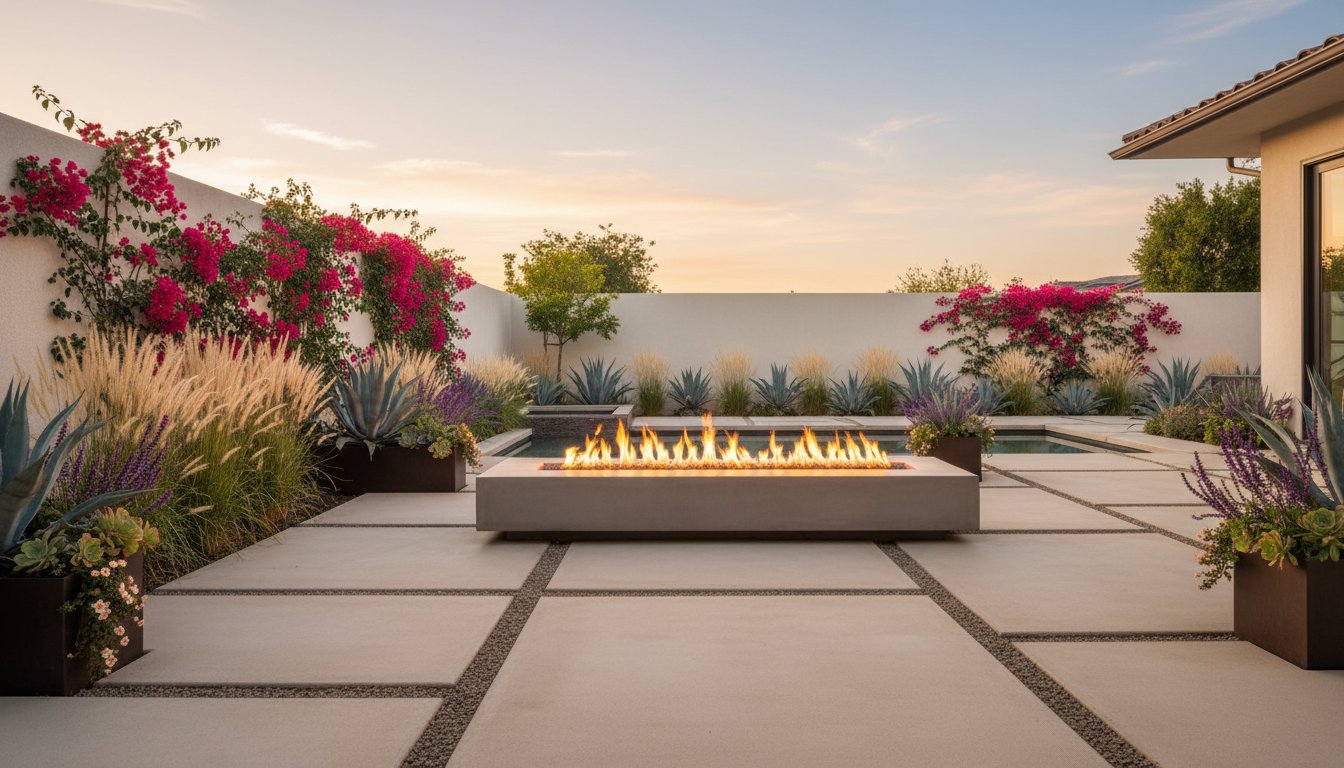
The LA Landscape: A Guide to Iconic Styles, Plants, and Design
Does your yard feel more like a chore than a Southern California retreat? If you're tired of struggling with thirsty plants, high water bills, and a generic design that doesn't fit the local vibe, you're not alone. The good news is that creating a stunning and sustainable LA landscape isn’t about fighting our climate; it’s about making thoughtful choices that embrace it. A well-designed outdoor space should be both a beautiful escape and a functional extension of your home, adding long-term value and enjoyment.
This guide is your practical starting point. We'll demystify the process by breaking down the essential elements, from iconic design styles that define the region to a curated list of beautiful, low-maintenance plants that thrive in our heat and drought. Forget feeling overwhelmed. By the end of this article, you will feel inspired and confident to plan a cohesive, water-wise landscape that works as beautifully as it looks.
Key Takeaways
- Learn to identify the key characteristics of iconic styles like Desert Modern and Mediterranean to find the perfect aesthetic for your home.
- A successful la landscape thoughtfully balances stunning design with sustainable, water-wise practices suited for Southern California.
- Understand how to choose the right climate-appropriate plants based on their specific function, from providing structure to adding seasonal color.
- Discover how foundational hardscaping materials like pavers, gravel, and concrete are used to define the style and usability of your outdoor space.
Defining the Modern LA Landscape: Beyond Palm Trees and Lawns
For decades, the classic image of a Southern California yard was a vast green lawn, an idea imported from climates with far more rainfall. This water-intensive model, however, is no longer sustainable or practical for homeowners in Moorpark and beyond. Today, a modern la landscape is defined by a smarter principle: creating outdoor spaces where function meets beauty. This thoughtful approach embraces our unique environment-abundant sun, scarce water, and a Mediterranean climate-to build gardens that are resilient, low-maintenance, and extend your living space outdoors.
To see how a modern design can transform a yard, take a look at this project:
The New California Aesthetic
This new aesthetic moves past outdated, high-maintenance landscape tropes. Instead of fighting our environment, it celebrates it with natural textures, gravel pathways, and a palette of climate-appropriate plants. Embracing a wide variety of California native plants is central to this approach, creating ecological harmony that supports local pollinators. The result is a cohesive design that provides long-term value by saving you significant time, money, and, most importantly, water.
Designing for the Climate, Not Against It
A successful garden begins with a deep understanding of our region's wet winter and long, dry summer cycle. This is not a flaw in our climate; it is the fundamental rule a smart garden plan must follow. Choosing plants that thrive in these conditions is the single most critical decision you will make, preventing the costly mistake of installing thirsty plants that cannot survive the summer heat without excessive irrigation. A well-designed garden also strategically uses plants and structures to manage sun and shade, creating comfortable, usable outdoor rooms for you and your family to enjoy year-round.
Iconic LA Landscape Styles: Finding Your Garden's Personality
A successful garden is more than a random collection of plants; it's a cohesive outdoor space that extends the personality of your home. Choosing a design style provides a framework for selecting plants and materials, ensuring your yard is both functional and beautiful. The right aesthetic complements your home's architecture and supports your lifestyle, creating a thoughtful and enduring la landscape that thrives in Moorpark's climate.
Mediterranean & Spanish Revival
Evoking the sun-drenched hillsides of Italy and Spain, this style is a natural fit for homes with stucco walls, tile roofs, and graceful archways. The focus is on creating a romantic, rustic, and low-water environment that feels both timeless and relaxed. Key elements include:
- Plants: Olive trees, fragrant lavender, sturdy rosemary, and vibrant bougainvillea.
- Hardscape: Gravel courtyards, decomposed granite pathways, and classic terracotta pots.
- Best Fit: Ideal for creating intimate patios and charming, water-wise gardens. A small space can capture the feel with a few large pots, while a larger yard can accommodate a gravel patio shaded by an olive tree.
Desert Modern & Mid-Century
This style emphasizes clean lines, bold forms, and a minimalist approach. It perfectly complements the architecture of modern, contemporary, and ranch-style homes by treating plants as sculptural elements within the landscape. The design is structured, uncluttered, and highly functional.
- Plants: Architectural plants like agaves, yuccas, and aloes paired with soft ornamental grasses.
- Hardscape: Concrete pavers in geometric patterns, COR-TEN steel planters, and fine gravel mulch.
- Best Fit: This aesthetic creates a high-impact, low-maintenance yard. It works well in any size, from a small, striking entryway to an expansive, open backyard patio.
California Native & Naturalistic
Celebrating our local ecology, this style creates a relaxed, informal garden that supports pollinators and other local wildlife. It is the most sustainable approach, relying on plants that are perfectly adapted to our dry summers and mild winters. This design is less about rigid structure and more about creating a thriving habitat. For homeowners committed to conservation, Los Angeles County Public Works offers practical water-wise gardening tips that are fundamental to this style. This is a truly authentic la landscape that feels connected to its surroundings.
- Plants: Drought-tolerant heroes like Ceanothus (California Lilac), Manzanita, and a variety of sages.
- Hardscape: Natural boulders, un-manicured flagstone, and organic mulch.
- Best Fit: A versatile style for anyone wanting a beautiful, low-maintenance garden that gives back to the environment.
The Essential LA Plant Palette: Plants That Thrive in SoCal
A successful Moorpark garden isn't built on a random assortment of pretty plants. It requires a thoughtful, cohesive palette where every choice serves a purpose. A functional and beautiful la landscape relies on selecting plants adapted to our specific climate-plants that offer beauty without demanding excessive water or maintenance. The key is to think like a designer, categorizing plants by their role (structure, filler, or color) and grouping them by similar water needs, a practice known as hydrozoning. This approach ensures your garden will not only survive but thrive.
Drought-Tolerant All-Stars
The term "drought-tolerant" is synonymous with variety and resilience. These workhorses of the Southern California garden provide stunning visual interest with minimal water. They form the backbone of a low-maintenance design, offering bold shapes and vibrant colors that defy our dry climate.
- For Bold Structure: Succulents like Agave and Aloe create dramatic, sculptural focal points in the garden.
- For Tough, Vibrant Color: Kangaroo Paw (Anigozanthos) offers unique texture and bright blooms, while Bougainvillea provides an explosion of color on walls and trellises.
- For Fragrant Fillers: Rosemary and Lavender are incredibly versatile, serving as groundcover or low hedges while adding fragrance and attracting pollinators.
California Natives for an Authentic Look
For a garden that feels truly at home in Moorpark, nothing compares to California natives. These plants are genetically programmed for our environment, meaning they require little water once established and provide critical food and habitat for local pollinators. It's important to plan for their summer dormancy-a natural water-saving cycle-by pairing them with other evergreens for year-round interest.
- Seasonal Color: California Poppies (Eschscholzia californica) for brilliant spring oranges.
- Aromatic Foliage: Sages like Cleveland Sage (Salvia clevelandii) for their fragrant leaves and striking purple flowers.
- Hardy Perennials: Yarrow (Achillea millefolium) provides delicate, flat-topped flowers that are tough as nails.
Trees and Shrubs for Structure and Shade
Trees and shrubs are the "bones" of your landscape, providing essential structure, shade, and privacy. One of the most common design mistakes is failing to account for a plant's mature size. Always plan for the future to avoid overgrown, crowded spaces. A well-chosen tree is a long-term investment in your property's comfort and value, creating a more functional and inviting la landscape.
- Climate-Appropriate Trees: Consider the elegant Olive (Olea europaea), the striking Desert Museum Palo Verde (Parkinsonia x 'Desert Museum'), or a heat-loving Crape Myrtle (Lagerstroemia).
- Hedges and Screening: Westringia and Photinia are excellent choices for creating living walls that offer privacy and a lush, green backdrop.
Hardscaping Materials: The Foundation of Your LA Garden
While plants bring life and color, hardscaping-the patios, paths, and walls-provides the essential "bones" of your garden. The right materials not only define the style of your space but also play a crucial role in its functionality and long-term sustainability. In a well-planned la landscape, these choices are foundational to both beauty and water conservation, creating outdoor spaces that work beautifully for years to come.
Patios and Pathways
The surfaces you walk on set the tone for your entire garden. Each material offers a different blend of style, durability, and environmental benefit.
- Decomposed Granite (DG): A popular, water-wise choice that offers a soft, natural look. Its permeability allows rainwater to soak back into the ground, reducing runoff and supporting soil health-a key consideration for sustainable landscaping.
- Concrete Pavers: For a clean, modern aesthetic, pavers are unmatched. Available in various sizes and colors, they create strong geometric lines ideal for contemporary patios and walkways. Spacing them apart and filling with gravel or groundcover can also improve permeability.
- Flagstone: With its irregular shapes and earthy tones, flagstone provides a rustic, organic feel. It's perfect for creating charming, naturalistic patios and meandering garden paths that blend seamlessly with drought-tolerant plantings.
Decks and Pergolas
Vertical structures add dimension and create functional outdoor rooms. In our sunny climate, providing shade is not a luxury; it's a necessity for a usable garden. A thoughtfully placed pergola can define a dining area while offering critical relief from the afternoon sun. Material choices range from the warmth of natural wood like redwood or cedar to durable, low-maintenance composites that withstand the elements with minimal upkeep.
Walls and Edging
Walls and edging bring structure and a polished finish to a garden design. Low retaining walls are a practical solution for sloped properties, creating level, terraced planting beds that prevent erosion. For a crisp, defined look between a pathway and garden bed, steel or concrete edging is a durable, low-maintenance solution. To create a cohesive feel, stucco-finished seat walls can echo your home’s architecture, seamlessly blending your indoor and outdoor living spaces.
Selecting the right combination of hardscaping materials is a critical step in creating a functional and cohesive la landscape. If you need help planning the structural elements of your Moorpark garden, contact Nu Scape Designs for a thoughtful, practical approach.
Smart Design Principles for a Thriving LA Landscape
Choosing the right plants is a critical first step, but the secret to a garden that truly thrives is a thoughtful, cohesive design. A well-designed la landscape is more than a collection of beautiful plants; it's a functional, sustainable system that provides long-term value and enjoyment. Shifting your focus from individual purchases to a master plan is the single best way to avoid common, costly mistakes and create an outdoor space that works beautifully for your lifestyle.
This philosophy of intentional design is equally important for your digital presence; to see how professional web development can elevate your brand, visit Dame Development.
Start with a Plan, Not a Plant
The most important investment you can make in your garden happens before a single shovel hits the dirt. A professional master plan considers everything: how the sun moves across your property, where people will walk, and how you want to use the space. This prevents the common mistake of impulse buying at the nursery, which often leads to a chaotic, "one-of-everything" garden that is difficult and expensive to maintain.
Create Functional Outdoor Rooms
Think of your yard as an extension of your home, with distinct areas for different activities. A well-designed plan uses strategic plantings, pathways, and hardscaping to define these "rooms." You can create an intimate dining patio, a comfortable lounging area shaded by a tree, or an open space for kids to play. Each zone should have a clear purpose that serves your family’s needs, blending beauty with everyday function.
Think in Layers and Textures
A garden with real visual impact has depth. Create this by layering plants of different heights, just like a professional would. Place taller shrubs or trees in the back, medium-sized perennials in the middle, and low-growing groundcovers in the front. Combine different leaf textures-like the bold leaves of an Agave next to the fine, soft blades of a native grass-to add complexity and a sophisticated feel.
Prioritize Water Efficiency
In Southern California, water is our most precious resource. A smart design makes every drop count. The goal is to create a beautiful, low-maintenance la landscape that is both stunning and sustainable. Key strategies include:
- Hydrozoning: Grouping plants together based on their specific water needs. This is the most efficient way to irrigate, ensuring no plant is over or under-watered.
- Drip Irrigation: Installing a drip system delivers water directly to the plant's roots, minimizing waste from runoff and evaporation common with traditional sprinklers.
- Mulching: Applying a 2-3 inch layer of organic mulch helps retain soil moisture, suppress weeds, and regulate soil temperature.
A thoughtful plan integrates these principles from the start, saving you water, time, and money for years to come. Ready to create a plan? See how our design process works.
Your LA Landscape: From Vision to a Thriving Reality
As we've explored, a truly iconic Los Angeles garden is much more than palm trees and a lawn. It’s a thoughtful fusion of personal style, a climate-appropriate plant palette, and durable hardscaping that forms a cohesive outdoor living space. By understanding these core elements-from Mediterranean charm to modern minimalism-you have the foundation to create a garden that is both stunning and sustainable.
Bringing all these pieces together requires expert planning to avoid costly mistakes and ensure long-term success. A well-designed la landscape doesn't just increase your property value; it creates a functional, low-maintenance extension of your home. This is where professional, climate-focused design makes all the difference, turning inspiration into a space that works beautifully for your lifestyle.
If you're ready to create an outdoor space that thrives in Southern California, we're here to help. Start your project with a professional design plan. Contact Nu Scape Designs today!
Frequently Asked Questions
What is the best low-maintenance ground cover for Los Angeles?
For sunny LA gardens, Dymondia (Silver Carpet) is an excellent choice. It's extremely drought-tolerant, handles foot traffic well, and forms a dense, flat mat. Other great options include Myoporum parvifolium, a fast-spreading green cover, and various types of creeping thyme, which add fragrance and small flowers. These selections are water-wise and require minimal care once established, making them a functional and beautiful replacement for a traditional lawn.
Can I still have a green and lush-looking garden in LA without a high water bill?
Absolutely. The key is thoughtful plant selection and efficient irrigation. Focus on climate-appropriate plants that are naturally green but require little water, such as Westringia (Coast Rosemary), Agave varieties, and ornamental grasses like Muhly grass. Pairing these with a modern drip irrigation system and a thick layer of mulch to retain soil moisture ensures you can have a vibrant, lush-looking garden that is both sustainable and cost-effective in the long run.
How do I choose a landscape style that matches my house?
The most successful designs create a cohesive link between your home's architecture and the garden. A Spanish-style home, for instance, pairs beautifully with a Mediterranean garden featuring olive trees, lavender, and gravel paths. For a modern or mid-century house, a minimalist design with strong geometric lines, succulents, and decorative rock works well. Observing these architectural cues is fundamental to creating a harmonious and thoughtful la landscape that feels intentional and complete.
What are the most important first steps before starting a landscape project in LA?
Proper planning is the most critical step to avoid costly mistakes. Before you begin, clearly define your goals for the space-do you need a play area, an entertaining patio, or a quiet retreat? Next, assess your site's conditions, noting sun exposure, soil type, and drainage. Finally, establish a realistic budget. These foundational steps ensure that your la landscape project is functional, sustainable, and provides long-term value from the start.
How much does it cost to landscape a yard in Los Angeles?
Landscaping costs in Los Angeles vary widely based on size, complexity, and material choices. A simple project with new plants and mulch might be on the lower end, while a full renovation involving hardscaping, irrigation, and lighting can be a significant investment. As a general guideline, expect costs to range from $15 to $50+ per square foot. The final price depends on factors like demolition, soil quality, and the specific features you choose.
What are some common landscaping mistakes to avoid in Southern California?
The most frequent mistake is choosing plants that are not suited for our dry, warm climate, leading to high water use and unhealthy plants. Another common error is poor soil preparation; our native clay soil often needs amendment to improve drainage. Finally, inefficient irrigation, like using spray heads for shrubs, wastes a tremendous amount of water. Avoiding these pitfalls through careful planning and professional guidance is key to a successful and sustainable garden.