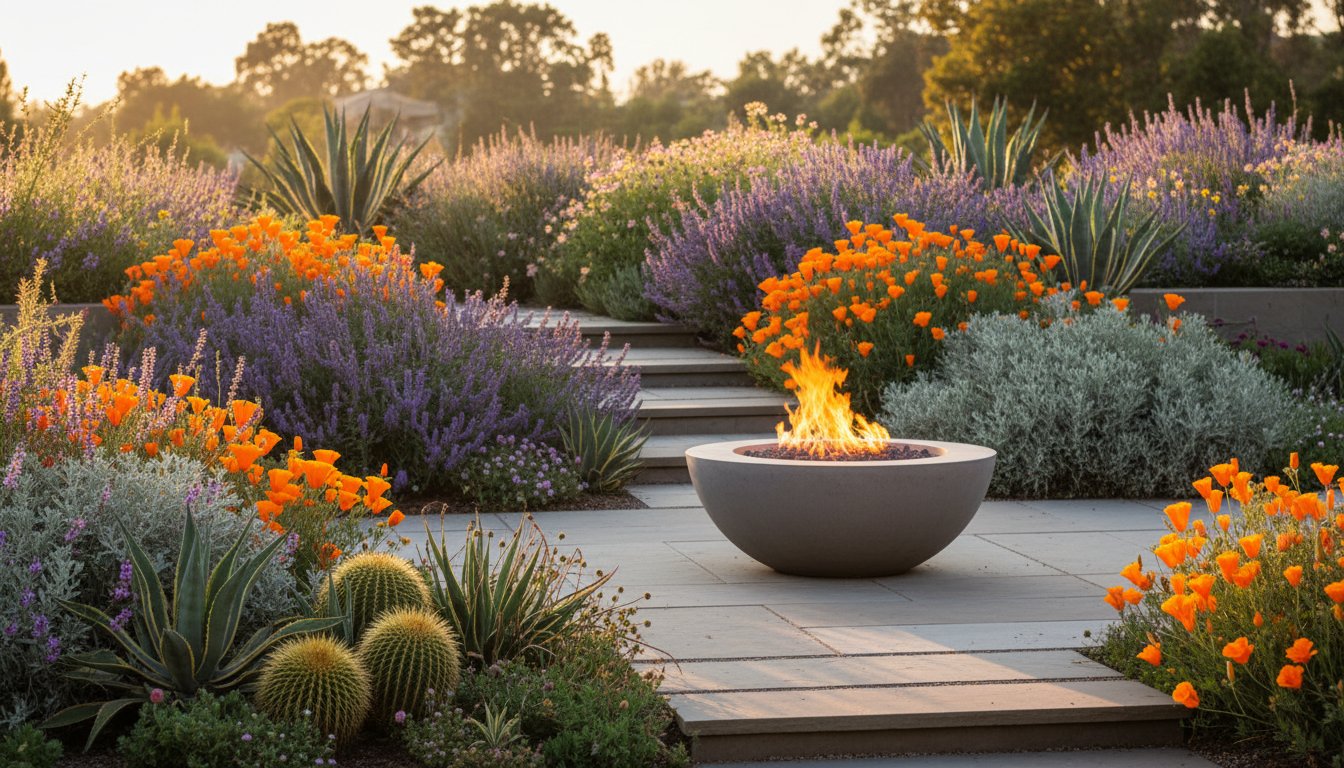
Southern California Native Plant Garden Design: A Practical Guide
Are you drawn to the idea of a water-wise garden but hesitate, worried it might look weedy, unkempt, or fail to get HOA approval? It’s a common concern. The thought of transforming a traditional lawn into a thriving native landscape can feel overwhelming, especially when faced with hundreds of plant choices. But a beautiful, low-maintenance yard is entirely achievable with the right approach. The key isn't just picking native plants; it's about thoughtful Southern California native plant garden design that creates a cohesive and intentional look that lasts year-round.
In this practical guide, we’ll cut through the confusion and provide a clear, step-by-step framework to help you plan a stunning native garden. You will learn how to select the right plants for your specific property, combine them for maximum visual impact, and create a functional outdoor space that saves significant water, supports local pollinators, and adds long-term value to your home. It's time to create a garden that works as beautifully as it looks, perfectly tailored to our unique climate.
Key Takeaways
- Learn how native plants create a landscape with a true sense of place that goes far beyond just saving water.
- Discover key design strategies to ensure your native garden looks thoughtful and structured, not just wild and messy.
- Successful Southern California native plant garden design starts with choosing plants for their specific function, from creating structure to providing seasonal color.
- Understand the most common design mistakes to avoid costly errors and ensure your new low-maintenance landscape thrives.
Why Choose Native Plants for Your SoCal Garden?
When considering a landscape renovation, many Southern California homeowners immediately think of native plants as a way to save water. While that’s a significant benefit, a thoughtful Southern California native plant garden design offers much more. It's an investment in a landscape that is not only beautiful and functional but also easier to care for and deeply connected to our local environment. Choosing natives means creating an outdoor space that provides long-term value by working in harmony with our unique climate, not against it—a balance beautifully illustrated by the natural landscapes found at Connemara Ranch.
The Unbeatable Water-Wise Advantage
California native plants have evolved over thousands of years to thrive in our specific climate of dry summers and mild, wet winters. Unlike a traditional thirsty lawn that requires constant irrigation to survive the heat, natives are perfectly adapted to go dormant or require minimal water once established. This climate-appropriate approach dramatically cuts down on water bills and, according to water conservation agencies, can reduce outdoor water use by up to 80%. Furthermore, their deep root systems help prevent soil erosion, reduce wasteful runoff, and allow precious rainwater to soak back into the ground, replenishing local aquifers.
Creating a Thriving Ecosystem in Your Yard
A native garden is more than just a collection of plants; it's a living habitat. These plants provide essential food and shelter for the local wildlife that depends on them, from hummingbirds and butterflies to beneficial insects and songbirds. By incorporating plants that have co-evolved with local fauna, you create a functional ecosystem right outside your door. A classic example is the relationship between native Milkweed and Monarch butterflies-the plant is the sole food source for Monarch caterpillars, making your garden a vital stop on their incredible migration.
Beauty That Belongs: The Aesthetics of Native Design
One of the most persistent myths is that native gardens are messy, brown, and unkempt. This couldn't be further from the truth. A well-planned Southern California native plant garden design showcases a stunning variety of colors, forms, and textures that create a landscape with a true sense of place. The design palette is far from limited; from the sculptural branches of Manzanita to the silver foliage of sages and the vibrant blooms of Penstemon, there is an extensive list of California native plants to create any garden style. The result is a cohesive and authentic space that reflects the natural beauty of our surrounding hills and coastlines.
Core Principles of Native Garden Design: From Wild to Wow
Many homeowners worry that a native garden will look messy or unkempt. The secret to avoiding this common pitfall lies in thoughtful, intentional design. A well-planned landscape looks cohesive and polished while providing all the ecological benefits of a native garden, from supporting local pollinators to conserving precious water. By applying a few core principles, you can create a functional and beautiful space that thrives year-round.
Establish Strong 'Bones' with Structure Plants
Every great garden starts with a strong foundation, often called its 'bones'. This structure provides shape and definition throughout the year, even when other plants are dormant. In Southern California native plant garden design, this is achieved by using evergreen shrubs and trees like Manzanita (Arctostaphylos) or Coffeeberry (Frangula californica) to create a permanent framework. Hardscape elements like pathways, low retaining walls, and strategically placed boulders are also crucial. They define planting beds, guide the eye, and create focal points that give the garden a deliberate, professional look.
Layering for Depth and a Natural Look
To create a lush, full appearance that mimics nature, think in layers. This classic design technique adds depth and visual interest. Arrange your plants in three main tiers:
- Back Layer: Tallest plants like Toyon (Heteromeles arbutifolia) or larger Ceanothus species provide a backdrop and screening.
- Middle Layer: Mid-sized perennials and shrubs such as Sages (Salvia) and Buckwheats (Eriogonum) fill in the space with color and texture.
- Front Layer: Low-growing groundcovers like Verbena or Creeping Sage create a finished edge along pathways and patios.
For a more natural feel, group plants in odd numbers (3, 5, or 7) and mix textures-the fine leaves of a grass next to the bold leaves of a Heuchera, for example.
Designing for Four Seasons of Interest
A common mistake is designing only for spectacular spring blooms. A truly successful garden offers something to appreciate in every season. Plan your garden’s bloom cycle for continuous color, but also consider other features. Incorporate plants with interesting winter structure, like the beautiful red bark of a Manzanita or the vibrant berries on a Toyon. Ornamental grasses such as Deer Grass (Muhlenbergia rigens) provide graceful movement and stunning fall color, adding life to the garden long after the flowers have faded. Thoughtful planning ensures your outdoor space works beautifully all year long.
Feeling overwhelmed? A professional design plan makes it easy.
A Designer's Palette: Top Native Plants for SoCal Gardens
A successful Southern California native plant garden design isn't about collecting individual specimens; it's about composing a cohesive, functional space. We approach plant selection by thinking in layers: a strong structural backbone, a vibrant and colorful middle layer, and a unifying ground layer. This method ensures your garden is a low-maintenance, climate-appropriate ecosystem that provides visual interest throughout the year.
Foundation Plants: The Structural Backbone
These evergreen shrubs are the workhorses of the garden. They provide year-round structure, create privacy, and define the overall shape of your landscape. They are the first plants you should place in your design.
- Manzanita (Arctostaphylos): Valued for its stunning, sculptural form and smooth, mahogany-colored bark. It offers incredible architectural interest and is exceptionally drought-tolerant once established.
- Ceanothus (California Lilac): A fast-growing showstopper that covers itself in breathtaking blue or purple blooms in the spring. Varieties range from tall shrubs to low-growing groundcovers.
- Toyon (Heteromeles arbutifolia): Known as Christmas Berry, its bright red berries provide a vital food source for birds in the winter. It's a dense, reliable choice for creating a natural screen.
Perennials and Wildflowers: The Colorful Middle Layer
This layer brings seasonal color, texture, and life to the garden, attracting essential pollinators like bees, butterflies, and hummingbirds. Choosing the right combination of perennials is a critical step in effective native garden planning and design, as they fill the spaces between larger shrubs.
- Sages (Salvia): A diverse and aromatic group. The fragrant foliage and spikes of flowers on varieties like Cleveland Sage (Salvia clevelandii) are irresistible to hummingbirds.
- Buckwheat (Eriogonum): A cornerstone pollinator plant. Its delicate, long-lasting flower clusters fade to a beautiful rusty brown, providing texture and interest long after the bloom.
- California Fuchsia (Epilobium canum): Delivers a critical late-season burst of brilliant red, tubular flowers, offering a final nectar source for hummingbirds before winter.
Groundcovers and Grasses: The Finishing Touches
The final layer ties the entire design together. These low-growing plants and grasses suppress weeds, conserve soil moisture, and add soft textures and graceful movement that complete the picture.
- Yarrow (Achillea millefolium): A tough, durable perennial with feathery foliage that can be used as a water-wise lawn substitute. It handles light foot traffic and spreads to fill in gaps.
- Deer Grass (Muhlenbergia rigens): This large, dramatic bunchgrass adds a bold, fountain-like form to the garden. Its slender flower stalks sway beautifully in the breeze, creating movement.
- Verbena (Verbena lilacina 'De La Mina'): A fragrant, long-blooming groundcover that produces clusters of light purple flowers for much of the year, making it a butterfly favorite.
Practical Application: Designing for Your Specific Space
Theory provides a foundation, but successful Southern California native plant garden design happens when we apply those principles to the real-world conditions of your yard. Every property has unique challenges and opportunities, from clay soil to intense sun exposure. Thoughtful planning turns these potential problems into functional, beautiful features.
Taming the Hot, Sunny Slope
A sun-baked slope is a common challenge that can be transformed into a stunning, low-maintenance asset. The key is to work with the environment, not against it. A functional design here focuses on stability and heat tolerance.
- Control Erosion: Use deep-rooted, spreading plants like groundcover Ceanothus or Manzanita. Their root systems act as a natural net, holding the soil in place.
- Embrace the Heat: Select plants that thrive in full sun and reflected heat. Sages (Salvia), Buckwheat (Eriogonum), and succulents like Dudleya are excellent climate-appropriate choices.
- Incorporate Boulders: Strategically placing large rocks or small boulders creates natural-looking planting pockets. These pockets help retain moisture and give young plants a more stable place to establish.
Creating a Cool, Shady Retreat
Dry shade, often found under the eaves of a house or beneath a mature oak tree, can feel limiting. However, many California natives are perfectly adapted to these conditions, allowing you to create a cool, tranquil garden space.
- Focus on Adaptation: Choose plants that naturally grow in woodland understories. They are adapted to lower light and drier soil once established.
- Brighten with Foliage: Use plants with lighter green, silver, or variegated leaves to brighten up dark corners. The effect is a space that feels more inviting and lush.
- Proven Performers: Coral Bells (Heuchera) offer beautiful foliage color, while Currants and Gooseberries (Ribes) provide delicate flowers and attract hummingbirds.
Native Gardens in Small Spaces & Containers
You don't need a large lot to enjoy a native garden. Patios, balconies, and small yards can support a vibrant, water-wise ecosystem with the right plant selection and container strategy.
- Choose Compact Varieties: Many popular natives, like Ceanothus 'Centennial' or Dwarf Coyote Bush, are available in smaller, more manageable forms perfect for tight spaces.
- Use the 'Thriller, Filler, Spiller' Method: For a balanced container, combine an upright "thriller" (like a grass), a mounding "filler" (like Seaside Daisy), and a cascading "spiller" (like Yankee Point Ceanothus).
- Prioritize Soil and Water: Native plants in pots require a fast-draining soil mix and more attentive watering than those in the ground, as containers dry out quickly. Avoid generic potting soil, which often retains too much moisture.
Addressing your site's specific conditions with the right plants and a cohesive plan is the most important step toward creating a landscape that offers long-term value. If you're ready to transform your outdoor space, contact Nu Scape Designs for a professional consultation.
Avoiding the Top 3 Mistakes in Native Garden Design
A successful native garden is more than just a collection of beautiful plants; it's a functioning ecosystem. Thoughtful planning is key to creating a low-maintenance landscape that provides long-term value. By understanding a few common pitfalls in Southern California native plant garden design, you can ensure your project thrives for years to come.
Mistake #1: Ignoring Your Site Conditions
The golden rule of sustainable landscaping is "right plant, right place." Forcing a sun-loving Ceanothus into a shady corner or a moisture-loving plant onto a dry, south-facing slope is a recipe for failure. These mismatches create constant stress, making plants vulnerable to pests and disease. Before you buy a single plant, observe your yard for a full day. Note where the sun hits, which areas stay cool, and how water moves across the property. Matching plants to your specific microclimate is the most critical step toward a resilient garden.
Mistake #2: Improper Planting and Soil Prep
It's a common instinct to "improve" soil with rich amendments, but this often harms California natives. Our local plants are adapted to our lean, well-draining soils. Adding excessive compost can create a "bathtub effect," where water collects around the roots and leads to rot. Instead of amending, focus on ensuring good drainage. When planting, pay close attention to depth. The plant's crown-where the stem meets the roots-should sit slightly above the surrounding soil level. Burying the crown is a primary cause of crown rot, a fatal fungal disease.
Mistake #3: Incorrect Watering and Irrigation
Without a doubt, the number one killer of established California native plants is overwatering. Once they survive their first one or two summers, most natives are exceptionally drought-tolerant and require deep, infrequent watering. This encourages their roots to grow deep into the soil, searching for moisture. The daily, shallow spray from a conventional lawn sprinkler system is their worst enemy.
For a water-wise and effective setup, we recommend:
- Drip irrigation: Delivers water directly to the root zone, minimizing evaporation and waste.
- Smart controllers: Automatically adjust watering schedules based on real-time weather data, preventing overwatering.
Avoiding these fundamental errors is the difference between a garden that flourishes and one that fails. Proper planning and installation set the foundation for a functional, low-maintenance space that works beautifully with our climate. Get a professional plan to avoid these costly mistakes.
From Concept to a Thriving SoCal Garden
Embracing native plants is more than a trend; it's a practical, forward-thinking solution for a beautiful and resilient landscape. As we've covered, successful Southern California native plant garden design hinges on a few core ideas: selecting plants that are truly climate-appropriate, applying design principles that mimic nature, and consciously avoiding common mistakes that lead to frustration. Getting these elements right is the key to creating a garden that is not only water-wise and low-maintenance but also a vibrant, living habitat.
Turning this knowledge into a cohesive, functional outdoor space is where professional guidance makes all the difference. A thoughtful design process ensures your vision becomes a reality that works for your lifestyle and increases your long-term property value. At Nu Scape Designs, we specialize in creating these custom, climate-appropriate Southern California landscapes, ensuring every detail is planned for lasting success and enjoyment.
Ready to create a beautiful, water-wise garden? Let's start with a plan. Your stunning, sustainable Southern California oasis is closer than you think.
Frequently Asked Questions About Native Garden Design
How much maintenance does a Southern California native garden really require?
A common misconception is that native gardens are "no maintenance." The reality is they are low-maintenance, especially compared to a traditional lawn. Once established, your primary tasks will be seasonal pruning to shape plants and encourage blooms, managing weeds, and adjusting irrigation. This thoughtful approach replaces the weekly cycle of mowing, fertilizing, and heavy watering, saving you significant time and resources in the long run. It’s about working with our climate, not against it.
Can a native plant garden look good enough for my HOA to approve?
Absolutely. The key to HOA approval is a thoughtful, well-planned design that looks intentional and tidy. A successful Southern California native plant garden design uses structure, layering, and a cohesive plant palette with year-round interest. By incorporating clean borders, pathways, and avoiding a "weedy" look, a native garden can appear lush, vibrant, and polished. A professional design ensures your water-wise landscape will enhance curb appeal and meet community standards.
Do I have to remove my entire lawn to start a native garden?
No, an all-or-nothing approach isn't necessary. A phased conversion is a practical and popular strategy. You can start by transforming a parkway strip, a side yard, or carving out a new garden bed from a corner of the lawn. This allows you to manage the project in stages and learn as you go. Many functional designs integrate a smaller, more usable lawn area with beautiful, climate-appropriate native plantings around it, giving you the best of both worlds.
How long does it take for a new native garden to look full and established?
A good guideline is the old saying: "the first year they sleep, the second they creep, and the third they leap." While you will see growth in the first year, your garden will truly begin to look full and mature within two to three years. Proper planting and attentive watering during the first one or two seasons are critical. This initial care helps plants develop the deep root systems needed for a resilient, long-lasting, and beautiful landscape.
Are native plants more expensive or harder to find than common nursery plants?
While you may not find a wide selection at big-box stores, specialty nurseries dedicated to California natives are increasingly common. Some plants may have a slightly higher upfront cost due to specialized growing needs. However, this is a one-time expense that is quickly offset by the long-term savings. You will spend significantly less on water, fertilizers, and pesticides, making climate-appropriate plants a wise and functional investment for your property.
What is the best time of year to plant a native garden in Southern California?
The ideal time to plant most California natives is in the late fall, typically from October through December. Planting at this time allows them to take advantage of cooler temperatures and seasonal rains to establish strong, deep root systems before the heat and stress of summer arrive. This gives your garden a crucial head start, resulting in healthier, more drought-tolerant plants. Spring planting is a secondary option but will require more diligent watering through the first summer.