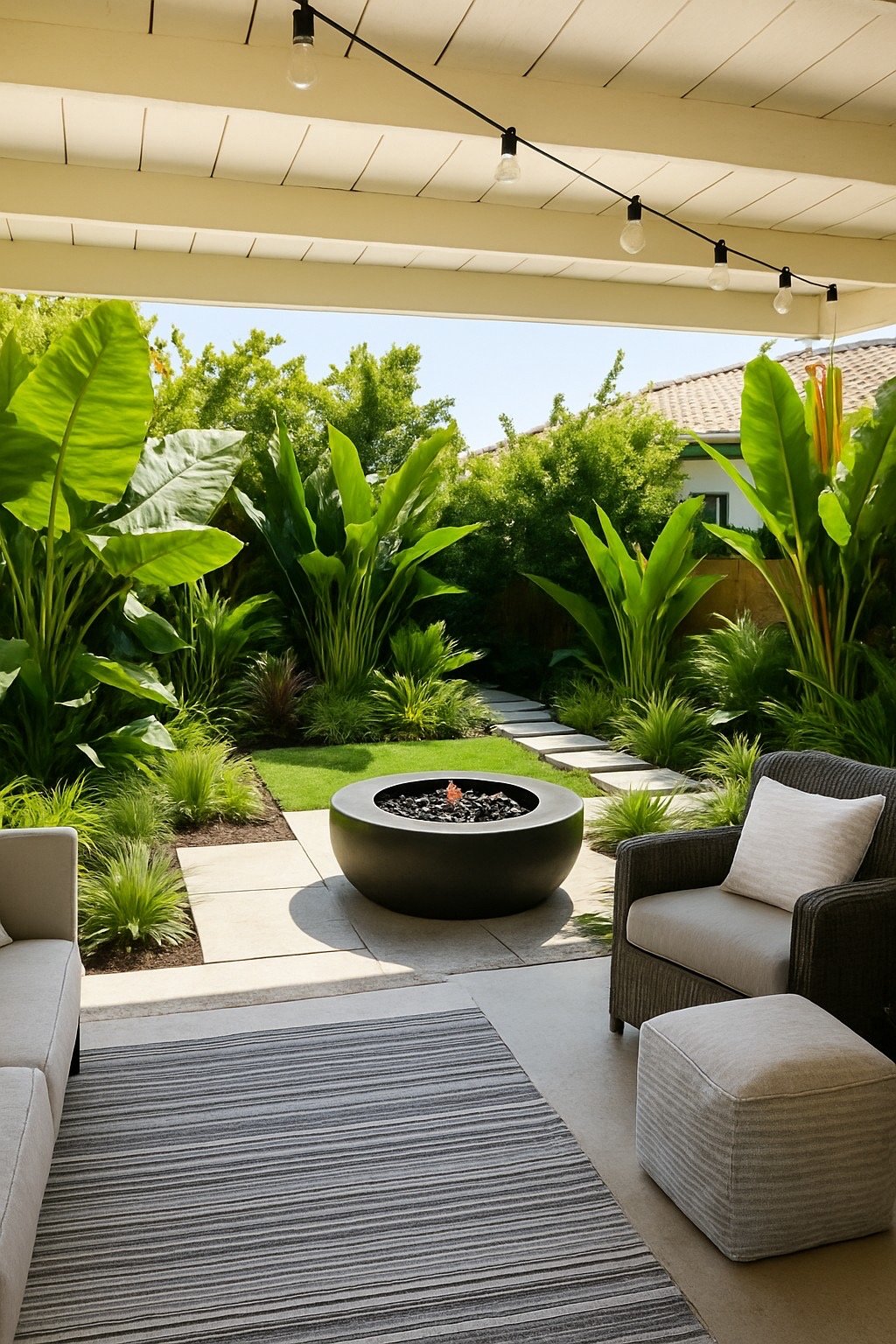
Hiring a Backyard Design Company: Design-First vs. Design-Build
You have a vision for your Southern California backyard, but the path to making it a reality can feel confusing. You hear terms like "designer," "contractor," and "design-build," and you worry that making the wrong choice could lead to wasted money, a disjointed process, or a final result that misses the mark. This uncertainty is a major hurdle for many homeowners, and the decision you make at the very beginning is one of the most critical. Choosing the right type of backyard design company is the key to a smooth project that stays on budget and brings your vision to life correctly.
To help you avoid costly mistakes and move forward with confidence, we’re breaking down the two main approaches to landscape renovation: the design-first model and the all-in-one design-build model. In this article, you will gain a clear, practical understanding of how each service works, the pros and cons they offer, and which one is the best fit for your specific project. Our goal is to equip you with the knowledge to select the right partner, ensuring your new outdoor space is not only beautiful but truly functional for years to come.
Key Takeaways
- Understand the fundamental difference between a 'design-first' specialist and an all-in-one 'design-build' firm to determine the right fit for your project.
- Learn how the 'design-first' model provides you with a comprehensive master plan, giving you maximum control over contractor bids and project execution.
- Identify the key project types where an all-in-one 'design-build' backyard design company offers a more streamlined and efficient path from concept to completion.
- Evaluate the two approaches based on four crucial factors-including budget, timeline, and flexibility-to make a confident and well-informed hiring decision.
What is a Backyard Design Company? The 'Design-First' Approach
A design-first backyard design company operates on a simple, powerful principle: thoughtful planning must come before any construction begins. Unlike an all-in-one firm, this specialist company focuses exclusively on creating a comprehensive master plan for your outdoor space. They act as your independent creative partner and advocate, completely separate from the contractors who will eventually build the project. The primary goal is to translate your vision, needs, and the unique conditions of your property into a detailed, buildable blueprint that ensures a cohesive and functional final result.
The Role of a Landscape Designer
The designer is the strategic mind behind your project. Their expertise goes far beyond simply choosing pretty plants. In fact, professional landscape design is a technical discipline focused on creating functional, beautiful spaces that are tailored to their environment. A designer’s job is to solve problems before they arise. They will:
- Assess your property’s unique characteristics, including sun exposure, soil type, and the local Southern California climate.
- Analyze your family’s lifestyle to ensure the layout supports how you want to live outdoors.
- Develop a cohesive plan that addresses practical challenges like poor drainage, lack of privacy, or awkward traffic flow.
- Select appropriate materials and climate-smart plants that offer long-term value and low-maintenance appeal.
What You Receive: The Landscape Design Plan
The final deliverable from a design-first firm isn't dirt and plants; it's a comprehensive set of documents that serves as the roadmap for construction. This plan is your property. It empowers you with the control and flexibility to phase the project or seek competitive bids from multiple installers. Your landscape design plan will typically include:
- A Detailed Site Plan: A to-scale drawing showing the precise layout of patios, walkways, seating areas, and other features.
- A Comprehensive Planting Plan: A guide specifying the exact species, size, and location of every plant, chosen for its suitability to our climate.
- Material & Lighting Specifications: Detailed callouts for all hardscape materials, efficient irrigation systems, and lighting fixtures to ensure the design intent is met.
This detailed blueprint is the core of the design-first approach. It ensures that every dollar spent on construction is guided by a thoughtful strategy, preventing costly mistakes and delivering an outdoor space that works as beautifully as it looks.
The Alternative: Understanding 'Design-Build' Landscape Companies
When most homeowners begin searching for help with a landscape project, they often envision a single company that does it all. This is the 'design-build' model: an all-in-one firm that handles every step of the process, from the initial concept sketches to the final installation. With this approach, you sign a single contract that covers both the design and the full construction of your new outdoor space.
This is frequently what people have in mind when they look for a landscaper or contractor. The primary appeal is straightforward and practical: you have one project manager and one point of contact for the entire duration of the project. This can simplify communication and create a feeling of a more streamlined process, which is an attractive option for homeowners who want a hands-off experience from their backyard design company.
The Integrated Process
In a design-build firm, the landscape designers and the construction crews work for the same company. This internal integration means that communication can be very efficient. If an unexpected issue arises on-site-like discovering an old irrigation line-the team can often pivot quickly without lengthy delays. However, it's important to recognize that the design may be heavily influenced by the company's own construction capabilities, equipment, and preferred materials rather than a wider range of possibilities.
Potential Pros and Cons
Like any model, the design-build approach has clear advantages and potential drawbacks. Understanding them is key to deciding if it’s the right fit for your project's goals and your need for a functional, long-term landscape solution.
- Pro: Streamlined Communication. Having a single project manager for both design and construction simplifies coordination. Questions, changes, and updates are all funneled through one person, reducing the risk of miscommunication between separate entities.
- Con: Potentially Less Design Specialization. The primary focus of many design-build firms is efficient construction. The design phase may not receive the same dedicated, in-depth attention that an independent landscape designer provides. Professionals certified by groups like the American Society of Landscape Architects (ASLA) often bring a level of specialized horticultural and design expertise that may not be the main focus in a build-centric company.
- Con: Difficulty Comparing Installation Costs. Because the design and installation are bundled into one package, you cannot take the completed design plans to other contractors to get competitive bids for the construction phase. This can make it difficult to know if you are getting a fair market price for the installation work.
Design-First vs. Design-Build: A Head-to-Head Comparison
Choosing between a design-first and a design-build approach is one of the most critical decisions you'll make for your landscape project. The right choice directly impacts your budget, creative control, and the final quality of your outdoor space. There is no single "best" answer, but understanding the fundamental differences will help you select the model that aligns with your specific goals. Let's compare them across four key areas.
Budget Control and Cost Transparency
With the Design-First model, you receive a complete, detailed plan first. This allows you to solicit multiple, directly comparable bids from contractors, giving you a clear understanding of market rates and control over who you hire. A thoughtful plan also significantly reduces the risk of expensive changes once construction is underway. In a Design-Build scenario, design and construction costs are often bundled, which can make it difficult to see the true cost of each component and compare the overall price against other options.
Creativity and Customization
A dedicated backyard design company working in a design-first capacity is focused on one thing: creating the best possible plan for you. Their creativity isn't limited by the capabilities of an in-house construction crew. This formal design process ensures every detail is tailored to your property and lifestyle, resulting in a truly unique, personalized space. Conversely, a Design-Build firm's designs may be influenced by the methods and materials they build with most efficiently, which can sometimes lead to more standardized or "cookie-cutter" solutions.
Flexibility and Project Phasing
One of the greatest advantages of the Design-First approach is the creation of a master plan. This cohesive vision allows you to implement your project in logical phases over several months or even years as your budget allows, without sacrificing the final outcome. A detailed plan also gives you the flexibility to DIY certain parts of the installation to save money. Design-Build projects are typically structured to be completed in a single, continuous phase from start to finish.
Accountability and Expertise
In a Design-First relationship, your designer acts as your advocate and expert representative. They can oversee the project to ensure contractors are building exactly to the plan's specifications, providing crucial checks and balances. A specialized landscape designer also brings deep expertise in horticulture, drainage, and climate-appropriate solutions. With Design-Build, accountability is streamlined to one company. While simpler, this model lacks the oversight of an independent expert working solely on your behalf to protect your investment.
This commitment to specialized expertise isn't limited to landscaping; for other critical home systems, homeowners often turn to dedicated professionals like Christensen Heating and Cooling to ensure their indoor environment is as well-managed as their outdoor space.
When to Choose a Backyard Design Company (The Design-First Model)
The Design-First approach offers a thoughtful, methodical path to creating a landscape that truly works for you. While the all-in-one Design-Build model has its benefits, separating the design phase is the ideal choice for certain homeowners and projects. This model empowers you with a detailed, professional plan, giving you maximum control over the outcome and the budget before a single shovel hits the ground. Consider if the following scenarios describe your situation and goals.
You Have a Complex Vision or Unique Property
If your project involves more than just a simple patio and lawn, a dedicated designer is essential. A specialized backyard design company excels at solving challenges like significant grade changes, correcting drainage issues, or creating a cohesive plan that complements your home's unique architecture. This focused approach ensures all the elements you want-from a pool and outdoor kitchen to a fire pit and functional planting zones-are integrated into one thoughtful, beautiful, and highly functional master plan.
You Want to Control the Budget and Get Competitive Bids
A primary advantage of the Design-First model is financial clarity and control. With a complete set of construction plans in hand, you can:
- Understand the full scope and realistic cost of your project before committing to construction.
- Submit the same plan to multiple installation contractors to get true, apples-to-apples bids.
- Phase the project over time, implementing parts of the master plan as your budget allows without losing sight of the final vision.
This process protects your investment and ensures you get the best value from the right installation team.
You Value Specialized, Climate-Appropriate Expertise
In a unique climate like Southern California, generic landscape solutions often fail. Water restrictions, intense sun, and specific soil conditions demand specialized knowledge. The Design-First model allows you to hire an expert focused solely on creating a sustainable, low-maintenance design that will thrive for years. This means selecting the right drought-tolerant plants, designing efficient irrigation, and choosing materials that are both beautiful and durable in our local environment.
If these priorities for control, customization, and long-term value resonate with you, then working with a dedicated designer is the most reliable path to success. If this sounds like the right approach for your home, let's discuss your vision.
The Right Partner for Your Backyard Transformation
Choosing between a design-first and a design-build firm is a critical step in your landscape journey. While the design-build model streamlines construction, the design-first approach champions a meticulous, personalized plan. This ensures your vision, functional needs, and budget are perfectly aligned before any ground is broken, preventing costly surprises and guaranteeing the final result is exactly what you envisioned.
For Southern California homeowners seeking a truly custom outdoor space, working with a specialized backyard design company is the most effective path. At Nu Scape Designs, our personalized process focuses on creating functional, water-wise, and low-maintenance landscapes tailored to our unique climate. We put your vision first to develop a cohesive plan that provides lasting beauty and value.
A successful project begins with expert planning. Start with a thoughtful plan. Explore our design process today.
Frequently Asked Questions
Is it more expensive to hire a separate backyard design company?
While there is an upfront cost, hiring a dedicated backyard design company often provides significant long-term value. A professional, thoughtful plan prevents costly mistakes like poor drainage, incorrect plant selection for the Southern California climate, or inefficient layouts. This initial investment ensures the construction budget is used effectively, creating a functional, cohesive space and avoiding expensive revisions or replacements down the road.
What's the difference between a landscape designer and a landscape architect?
The primary difference is licensing and project scope. A Landscape Architect (LA) is state-licensed and can design complex structural projects involving grading, drainage, and large retaining walls. A landscape designer focuses on the horticultural and spatial planning aspects-the plants, patios, and outdoor living areas. For most residential projects focused on creating a functional and beautiful outdoor space, a qualified designer has the ideal expertise.
Can't a good landscape contractor just design my yard for me?
While many skilled contractors have a good eye, their primary expertise is in construction, not comprehensive design. A designer's role is to create a cohesive plan that considers your lifestyle, site challenges, and long-term goals before construction begins. Relying solely on a contractor for design can lead to a piecemeal look or functional issues that a dedicated, thoughtful design process would have prevented from the start.
What does a professional landscape design plan actually include?
A professional design plan is a detailed blueprint for your project. It includes a scaled site plan showing the layout of all elements like patios, walkways, and planting beds. It also provides a detailed planting plan with specific species chosen for our climate, an irrigation layout for water efficiency, a lighting plan, and material specifications. This comprehensive document ensures everyone is working from the same clear, cohesive vision.
How long does the landscape design process take before construction can start?
The design phase is a thoughtful process that shouldn't be rushed. For a typical residential project, expect the design process to take anywhere from 4 to 8 weeks. This timeline includes the initial consultation, site analysis, concept development, revisions based on your feedback, and the creation of final construction-ready plans. This careful planning is crucial for ensuring the construction phase runs smoothly and on budget.
Can I use a design plan to get a permit from my city?
In many cases, yes. A detailed plan is often sufficient for permits related to planting, irrigation, and flatwork like patios. However, for projects involving significant grading, complex drainage, or large structures like retaining walls or pergolas, your city may require plans stamped by a licensed landscape architect or engineer. We can help you navigate your local requirements to ensure your project is fully compliant.