Drought Tolerant Landscaping with Pavers: Elevating Your SoCal Sanctuary
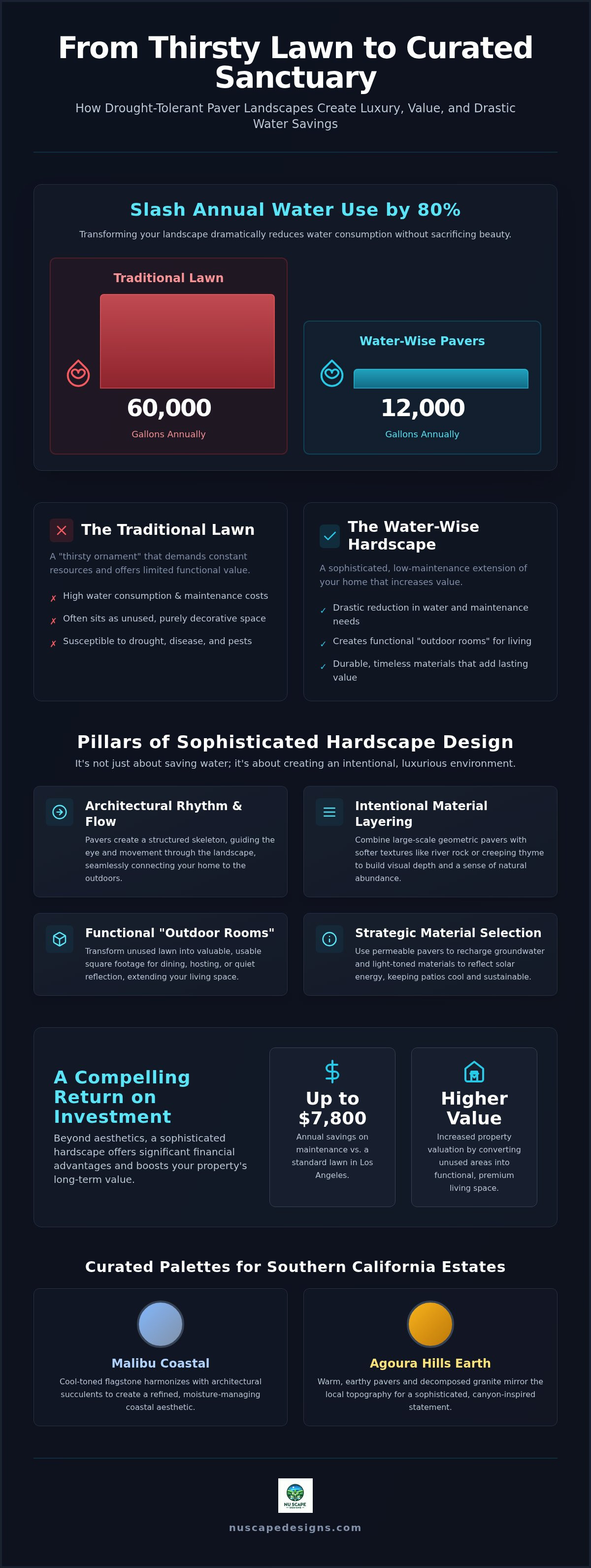
What if your yard could feel like a high-end coastal resort while actually reducing your annual water consumption from 60,000 gallons to just 12,000? Many homeowners fear that water-wise designs inevitably look barren or lack the curb appeal of a traditional lawn. You don't have to settle for a messy landscape that feels unfinished. By focusing on drought tolerant landscaping with pavers, you create an architectural skeleton that defines your space with quiet confidence. This guide shows you how to blend structural elegance with water-wise efficiency to create a sophisticated, low-maintenance outdoor environment. We'll explore the design principles that turn a dry lot into a curated sanctuary. You'll discover how custom hardscaping provides the precision needed to harmonize luxury with the natural world, ensuring your home remains a place of peace and high-end comfort throughout the year.
Key Takeaways
- Learn how to replace traditional lawns with architectural rhythm; this creates a seamless transition from interior luxury to a sustainable outdoor sanctuary.
- Master the art of drought tolerant landscaping with pavers by using material layering and geometric patterns to define functional outdoor rooms that feel intentional and inviting.
- Discover how a professionally curated hardscape plan maximizes your usable square footage and enhances property valuation by utilizing high-end, low-maintenance materials.
- Understand how to harmonize your home's aesthetic with the Southern California climate through a visionary approach that values both artistic detail and reliable execution.
The Synergy of Pavers and Water-Wise Design in Southern California
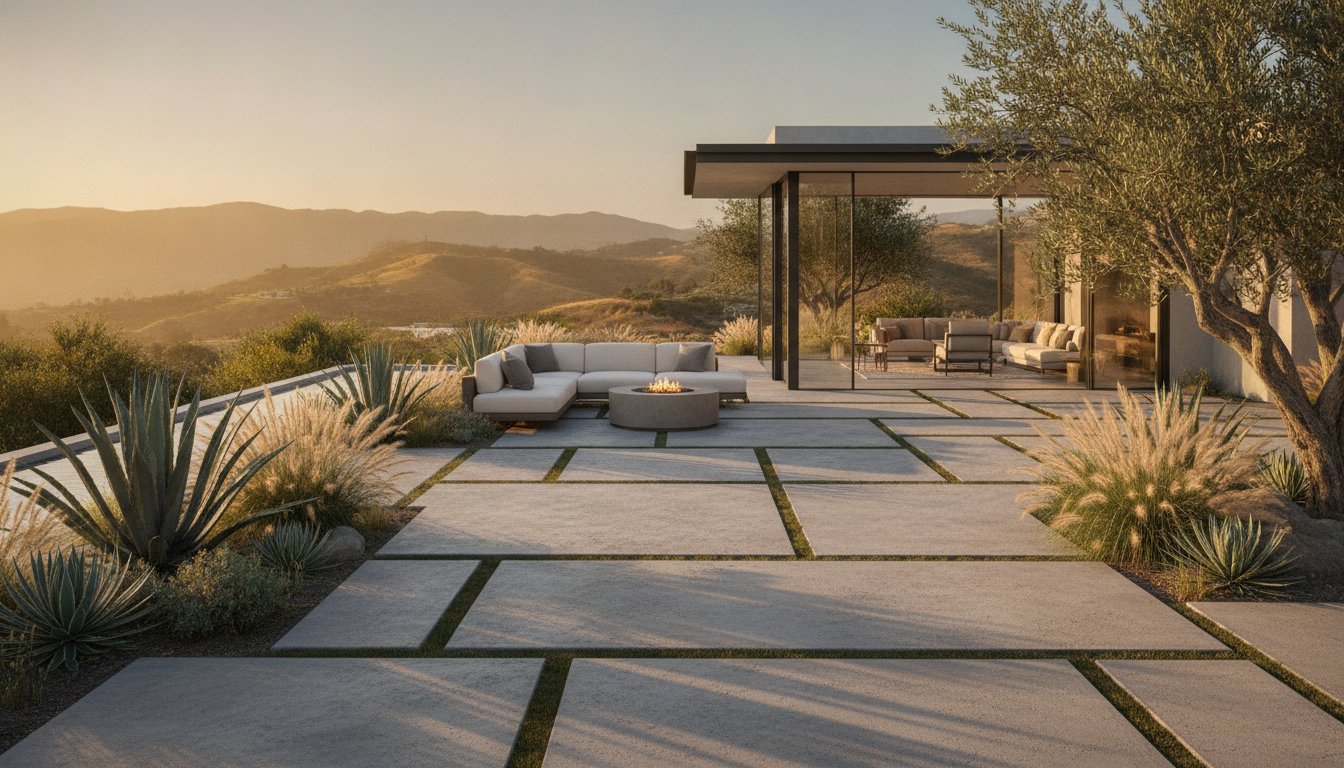
Southern California living is defined by the light. We seek a connection to the outdoors that feels both intentional and effortless. Achieving a balance between luxury and sustainability starts with drought tolerant landscaping with pavers. This approach isn't just about utility; it's a marriage of permeability and architectural rhythm. By replacing thirsty turf with sophisticated hardscaping, you transform a high-maintenance chore into a curated environment designed for connection.
A common misconception is that water-wise yards must look barren. In reality, understanding what is xeriscaping reveals it's a lifestyle upgrade rather than a sacrifice. Pavers provide a structured silhouette, acting as a clean frame for the organic movement of native plants. This contrast ensures your garden feels like a deliberate sanctuary rather than a neglected lot. It's about creating a space where the architecture of the home extends gracefully into the natural world.
Permeable Pavers: The Foundation of a Sustainable Sanctuary
Structural integrity meets environmental stewardship through permeable joints. These specialized systems allow rainwater to filter through the surface and recharge the groundwater beneath. In heat-prone areas like Simi Valley, selecting lighter-toned pavers is a strategic choice. These materials reflect solar energy, keeping your patio cool underfoot even during August afternoons. This thoughtful engineering pairs perfectly with a comprehensive drought-tolerant landscaping pillar strategy, ensuring your retreat remains as functional as it is beautiful.
Designing Your Drought-Tolerant Landscape: Texture, Tone, and Flow
The most frequent reservation homeowners express is the fear their sanctuary will resemble a barren parking lot. We dissolve this concern through intentional material layering within our drought tolerant landscaping with pavers. Visual depth is essential. By alternating large-scale geometric pavers with softer textures like river rock or creeping thyme, we create a sense of abundance. These structures act as "outdoor rooms," defining functional areas for dining or reflection without the need for high-water barriers.
Pavers do more than provide a surface; they orchestrate the flow of your estate. A well-placed path guides the eye toward a sculptural water feature or a gathering space centered around a fire pit. Beyond the visual, there is a profound sensory experience in this design. Imagine the cool, tactile sensation of textured stone beneath your feet, harmonizing with the earthy scent of native Cleveland sage. This holistic approach ensures your home remains a bespoke retreat that honors the environment.
Curating Material Palettes for Malibu and Calabasas Estates
In Malibu, we often pair cool-toned flagstone with architectural coastal succulents when executing drought tolerant landscaping with pavers. This palette leverages the functional benefits of permeable pavers to manage coastal moisture while maintaining a refined aesthetic. Conversely, the rugged beauty of Agoura Hills calls for warm, earthy pavers and decomposed granite. This layering mirrors the local topography and enhances front yards without grass, ensuring your property makes a sophisticated statement from the curb to the canyon.
Elevating Property Value Through Sophisticated Hardscaping
Investing in a bespoke environment is a commitment to both your lifestyle and your home’s future. Beyond the immediate aesthetic reward, drought tolerant landscaping with pavers significantly increases your property’s valuation by reclaiming non-functional areas. A traditional lawn often sits unused, serving as a thirsty ornament. By contrast, a curated hardscape transforms that space into a functional extension of your home. You gain usable square footage for dining, hosting, or quiet reflection, which is a premium asset in the Southern California market. This strategic shift to drought tolerant landscaping with pavers ensures your estate remains relevant and desirable in an increasingly water-conscious region.
The financial logic is as compelling as the visual result. Industry data suggests that maintaining a standard lawn in Los Angeles can cost up to $7,800 annually, whereas a water-wise landscape reduces those recurring expenses to a fraction of that amount. This long-term ROI is anchored by the durability of high-quality pavers. Unlike organic surfaces that fade or fail, stone and concrete structures remain timeless. However, achieving this requires a disciplined approach to scaling and drainage. Professional planning ensures your sanctuary thrives without the common pitfalls of poor irrigation or structural misalignment, turning a physical change into a profound personal evolution.
From Vision to Installation: The Nu Scape Design Process
Every successful transformation begins with a custom design plan that honors your site’s specific sun exposure and soil composition. Working with a visionary partner like Donna Hamner allows you to bridge the gap between a simple renovation and a true artistic statement. Our collaborative process ensures your dream is executed with artisan precision and a deep sense of creative passion. We invite you to view our recent projects to see how we harmonize luxury with the natural world. This journey is about more than just aesthetics; it is the creation of a legacy space where peace and high-end comfort coexist.
Defining Your Outdoor Future
Creating a water-wise retreat is more than an environmental choice; it's a profound investment in your daily peace and property value. By integrating drought tolerant landscaping with pavers, you move beyond the limitations of traditional turf to embrace a curated environment that honors the Southern California climate. We've spent over a decade perfecting the balance between structural precision and natural movement. Our holistic approach ensures that every stone and succulent serves a purpose, creating a high-end sanctuary tailored specifically to the unique microclimates of Ventura and LA Counties. Your yard shouldn't just exist; it should inspire.
Step into a lifestyle where luxury and sustainability coexist in perfect harmony. Your visionary partner is ready to guide you from initial dream to enduring reality.
Frequently Asked Questions
Do pavers make a drought-tolerant yard hotter?
Pavers don't necessarily increase the temperature of your outdoor space if you choose materials wisely. Selecting light-toned natural stones or concrete pavers helps reflect solar energy rather than absorbing it. When you integrate drought tolerant landscaping with pavers alongside native plants, you create a balanced microclimate. This thoughtful design ensures your sanctuary remains cool and comfortable even during the peak of summer.
How much water can I save by replacing grass with pavers and native plants?
You can reduce your outdoor water usage by approximately 75 to 80 percent. A traditional 1,000 square foot lawn in Southern California typically consumes between 48,000 and 60,000 gallons of water annually. By transitioning to a water-wise design with hardscaping and native flora, that same area requires only 4,500 to 12,000 gallons. It's a significant shift that preserves resources without sacrificing luxury.
What are the best types of pavers for a Southern California climate?
Travertine, flagstone, and high-quality concrete pavers are ideal for our unique Mediterranean climate. These materials offer the durability to withstand intense sun while providing the refined textures required for high-end estates. When planning drought tolerant landscaping with pavers, we prioritize stones that harmonize with local landscapes in areas like Malibu and Calabasas, ensuring a seamless connection between your home and nature.
Are permeable pavers more expensive than traditional concrete?
Permeable systems generally involve a more disciplined installation process and specialized sub-base materials compared to standard poured concrete. This precise engineering is necessary to allow for effective groundwater recharge and superior drainage. While the initial investment reflects this artisan approach, the long-term benefits include improved soil health and potential eligibility for turf replacement rebates currently available in Ventura and LA counties.