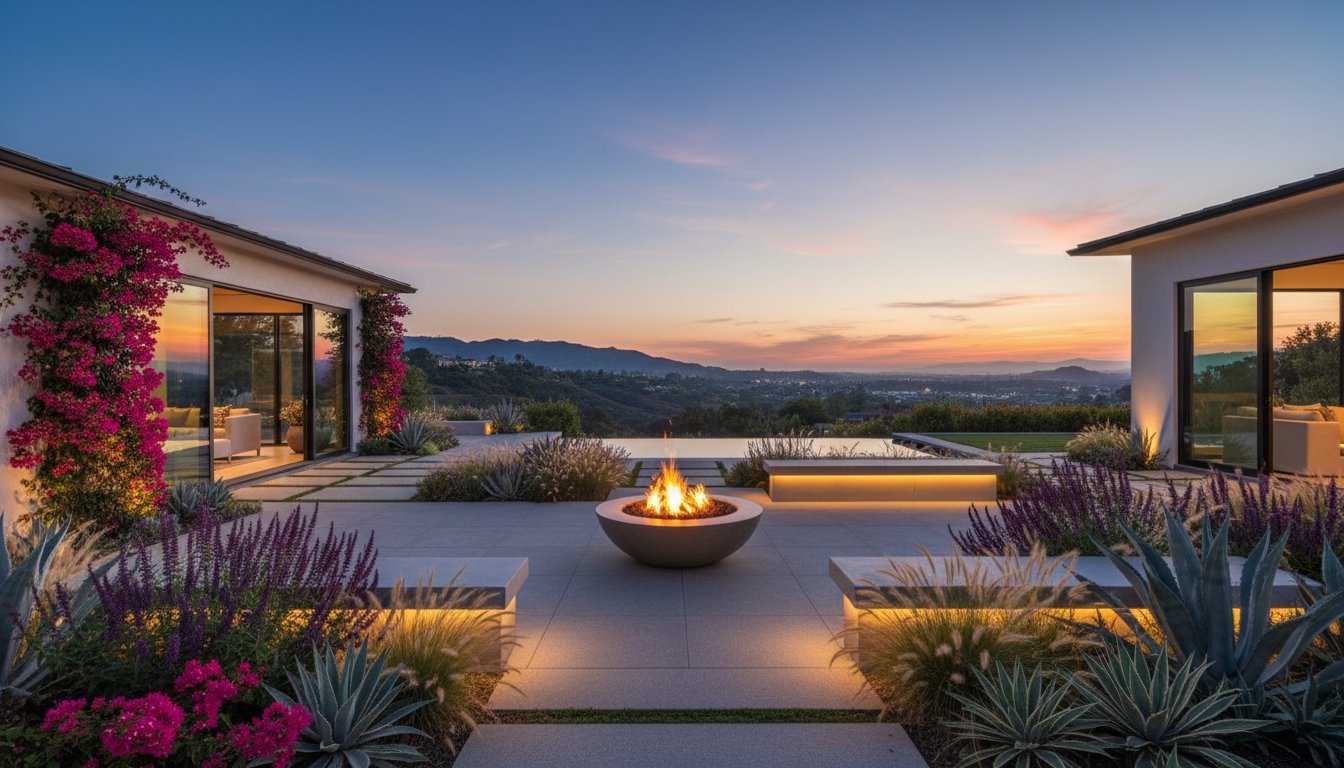
California Landscape Design: A Homeowner's Guide to Thriving Gardens
Are you tired of watching your water bill climb while your yard struggles to survive the dry season? It’s a common frustration for homeowners who find that the plants they purchase from big-box stores simply can't handle our unique climate. The dream of a lush, inviting garden often gives way to a reality of brown patches and constant, costly maintenance. But creating a beautiful outdoor space doesn’t have to be a battle. The secret isn’t more water or more work-it’s a smarter, more thoughtful approach to your California landscape.
This guide is designed to cut through the confusion and put you on the path to success. We will walk you through the core principles of designing a functional, water-wise, and genuinely low-maintenance garden that flourishes year after year. You will learn how to select climate-appropriate plants, reduce your outdoor water usage, and create a cohesive design that boosts your home’s curb appeal. It’s time to stop guessing and start building an outdoor space that works beautifully for you and your family.
Key Takeaways
- Successful landscape design begins with understanding your specific microclimate to choose plants that will naturally thrive.
- Learn the foundational principles for creating a water-wise and beautiful california landscape that works with our climate, not against it.
- Discover how to select a diverse palette of plants to achieve a cohesive style that complements your home’s architecture.
- A thoughtful plan is your best tool for avoiding costly revisions and creating a functional, low-maintenance outdoor space.
Understanding California's Unique Landscaping Climate
One of the biggest mistakes homeowners make is treating California as a single climate zone. In reality, it's a complex tapestry of microclimates. A plant that thrives in the cool, foggy air of coastal Santa Monica will likely struggle under the intense summer heat of inland Pasadena, just a few miles away. This variation is the central challenge and opportunity of creating a functional and beautiful california landscape. The core of our climate is Mediterranean: long, hot, dry summers followed by mild, wet winters. Planning a landscape that not only survives but flourishes requires a deep understanding of your specific location.
To see how these principles apply to creating a resilient garden, this video offers excellent visual examples of drought-tolerant plant choices:
The North vs. South Divide
At a high level, the state has a basic split. Northern California generally receives more rainfall and has cooler temperatures, creating ideal conditions for acid-loving plants like rhododendrons and camellias. Southern California is defined by less rainfall, higher average temperatures, and more alkaline soil. This fundamental difference dictates everything from your plant palette and irrigation strategy to your soil amendment needs, shaping your entire design approach from the ground up.
Decoding Your Local Microclimate
To achieve long-term success, you must look beyond the broad regional differences and identify your hyper-local conditions. Understanding these factors is fundamental to applying the core principles of landscape design effectively in our region. Key influences include:
- Coastal Zones: Properties near the ocean experience milder temperature swings, salt spray, and persistent fog, which affects plant selection.
- Inland Valleys: These areas face the greatest extremes, with scorching summer heat and colder winter nights. Intense sun exposure is a primary design consideration.
- Foothills and Mountains: Higher elevations mean a greater risk of frost, different sun angles, and often rocky, unique soil conditions that must be addressed.
The Soil Situation: From Beach Sand to Adobe Clay
Before you purchase a single plant, you must understand your soil. It is the foundation of your garden's health. Southern California soils range from sandy loam that drains quickly and loses nutrients, to heavy adobe clay that retains water but can become compacted and starve roots of oxygen. A simple at-home "jar test" can help you identify your soil's composition, providing the critical information needed to choose the right plants and amendments for a thriving landscape.
The 4 Core Principles of California-Friendly Landscape Design
A successful and sustainable california landscape requires a shift in mindset. Instead of fighting our climate with thirsty lawns and high-maintenance plants, the goal is to create a beautiful, resilient ecosystem that works with our environment. By following these four interconnected principles, you can design an outdoor space that saves water, reduces maintenance, and adds significant long-term value to your home. This is not an expense; it is a thoughtful investment in your property and lifestyle.
Principle 1: Embrace Water-Wise and Drought-Tolerant Plants
Choosing the right plants is the foundation of a climate-appropriate garden. While many California native plants are drought-tolerant, not all drought-tolerant plants are native. The key is selecting species adapted to survive our long, dry summers. Forget the myth that water-wise means a yard full of only rocks and cacti. The palette is rich with vibrant sages, sculptural agaves, colorful kangaroo paws, and flowering shrubs. The key is selecting plants proven to thrive here; the state offers excellent resources, including lists of California water-efficient plants, to guide your choices.
Principle 2: Group Plants by Water Needs (Hydrozoning)
Hydrozoning is the practical and efficient practice of grouping plants with similar water requirements together. This simple planning step prevents the common mistake of overwatering a succulent to save a thirsty fern planted next to it. A typical layout might include a low-water zone along a hot parkway, a medium-water zone with ornamental grasses near a patio, and a small, high-water zone dedicated to a vegetable garden. This ensures every plant gets exactly what it needs without waste.
Principle 3: Design for Low Maintenance, Not No Maintenance
Let’s be realistic: every garden requires some care. The goal of a smart california landscape design is to minimize that work through thoughtful planning. By choosing plants that fit the space at their mature size, you reduce the need for constant pruning. By using dense, climate-appropriate groundcovers, you naturally suppress weeds. A well-designed landscape should match your lifestyle and the level of care you are willing to provide, freeing you up to simply enjoy your outdoor space.
Principle 4: Build Healthy Soil and Use Mulch
Healthy soil is the secret to a thriving garden. Compacted, nutrient-poor soil acts like concrete, causing water to run off. By amending your soil with compost and other organic matter, you create a rich, spongy foundation that retains moisture and reduces the need for fertilizer. To protect this investment, apply a thick, 3- to 4-inch layer of mulch. Mulch is your garden's best friend-it conserves water by slowing evaporation, keeps soil temperatures cool, and prevents weed growth.
A Palette of Plants That Thrive in a California Landscape
Creating a beautiful, functional garden in Southern California means choosing plants that are adapted to our unique climate. The right selections provide stunning color, rich texture, and vital habitat for local wildlife, all while demanding less water and maintenance. The key is to match plants to your specific location and soil. Before you buy, always check a plant's suitability for your climate zone; the state’s official Water-Efficient Landscaping Guide is an excellent resource for making climate-appropriate choices.
California Natives: The Local Champions
Native plants are the foundation of a sustainable california landscape. Because they evolved here, they are perfectly suited to our soil and rainfall patterns, requiring very little water once established. More importantly, they provide essential food and shelter for local pollinators and wildlife, creating a garden that is a living part of the local ecosystem. Consider these reliable choices:
- Ceanothus (California Lilac): Offers brilliant blue and purple flowers in the spring.
- Salvia (Sages): A diverse group known for aromatic foliage and long-lasting, colorful blooms that attract hummingbirds.
- Manzanita: Features beautiful reddish bark, delicate winter flowers, and an architectural form.
Mediterranean Marvels: Climate-Compatible Cousins
Plants from regions with similar climates-such as the Mediterranean Basin, South Africa, and parts of Australia-often thrive here with minimal fuss. These climate-compatible cousins blend seamlessly into our garden aesthetic, offering a broader palette of textures and forms. Favorites include fragrant Lavender and Rosemary, stately Olive trees, and the unique, fuzzy flowers of the Kangaroo Paw (Anigozanthos).
Structural Stars: Grasses, Succulents, and Trees
A thoughtful landscape design uses plants for more than just color. Structural plants provide the essential framework, texture, and scale that create a cohesive and functional outdoor space.
- Ornamental Grasses: Varieties like Muhly Grass or Deer Grass add soft texture and graceful movement.
- Succulents: Use these water-wise gems as bold, sculptural accents in pots or rock gardens, not just as random filler. Agaves and Echeverias provide dramatic form.
- Trees: Choosing the right tree is a long-term investment. Select climate-appropriate trees like a Western Redbud for seasonal color or a Coast Live Oak for shade and habitat.
Navigating these choices to create a balanced, low-maintenance garden can be a challenge. Need help choosing? A professional design plan makes it easy.
Popular California Landscape Styles to Inspire Your Design
Your landscape should be a natural extension of your home. A cohesive style that complements your home’s architecture creates a seamless transition from indoors to outdoors, enhancing your property's overall harmony and long-term value. The most successful designs are adaptable, meaning these popular styles can be tailored to fit various property sizes and budgets. Ultimately, a thoughtful design plan is the key to ensuring your chosen style is executed perfectly and functions beautifully for years to come.
Modern & Minimalist
Characterized by clean lines, bold geometric shapes, and an emphasis on structure, the modern style is both striking and highly functional. This approach utilizes hardscaping-like concrete pavers, gravel beds, and steel planters-as core design elements. The plant palette is limited and intentional, focusing on texture and form over a profusion of color. Climate-appropriate choices for this aesthetic include:
- Ornamental Grasses: Blue Fescue or Pink Muhly Grass add soft texture and movement.
- Striking Succulents: Agave, Aloe, and Echeveria provide strong, sculptural interest.
- Architectural Plants: Phormium (New Zealand Flax) offers a bold, upright form.
Mediterranean & Tuscan
This style evokes the rustic, sun-drenched charm of a European countryside villa. It creates a warm, inviting atmosphere with features like gravel pathways, terracotta pots, and raised beds for fragrant herbs. A Mediterranean design feels right at home in Southern California's climate, celebrating a relaxed outdoor lifestyle. Key plants to complete the look are:
- Foundation Trees: Olive and Cypress trees provide an authentic structural backbone.
- Fragrant Shrubs: Lavender and Rosemary offer beautiful color, texture, and scent.
- Vibrant Climbers: Bougainvillea adds a dramatic and iconic splash of color to walls and trellises.
Native & Naturalistic
For a truly sustainable and low-maintenance california landscape, the naturalistic style aims to replicate the untamed beauty of our local wildlands. It features meandering paths, natural boulders, and dense groupings of native plants to create a relaxed, informal feel. This thoughtful design is not only beautiful but also creates a vital habitat that attracts local birds, bees, and butterflies. Essential plants include:
- Flowering Shrubs: Ceanothus (California Lilac) and various types of Salvia (Sage).
- Hardy Groundcovers: Manzanita and Coyote Brush are excellent for slope retention and water conservation.
- Perennials: California Fuchsia and Poppies for vibrant seasonal color.
Choosing a style is the exciting first step. Executing it correctly requires a professional plan that ensures your new california landscape is water-wise, functional, and built to last. A well-designed space brings your vision to life beautifully and efficiently. To see how these styles can be adapted for your home, explore our design process.
Planning Your Project: How to Avoid Costly Landscaping Mistakes
In landscape renovation, the single most expensive mistake is not having a plan. A beautiful, functional outdoor space doesn’t happen by accident; it’s the result of a thoughtful design process. This plan serves as the essential roadmap for your entire project, ensuring that your vision is executed efficiently and without costly mid-project changes. It clarifies the difference between a designer, who creates the vision and the technical blueprint, and a contractor, who brings that blueprint to life.
Mistake #1: No Cohesive Master Plan
Wandering through a nursery and buying plants piecemeal is a common approach that leads to a disjointed, cluttered yard. A professional master plan considers the big picture: scale, proportion, and the natural flow between different areas. It ensures every element, from the patio to the plant selection, works together. This cohesive vision guarantees your landscape not only looks good on day one but also matures beautifully over time.
Mistake #2: Ignoring Site-Specific Challenges
Every property has unique conditions. Failing to account for them is a recipe for failure. A design that looks great on paper will struggle if it ignores real-world challenges like:
- Poor drainage leading to soggy lawns or foundation issues.
- Intense sun exposure that scorches the wrong plants.
- Compacted soil that prevents healthy root growth.
A designer performs a thorough site analysis to identify these problems upfront. This critical step informs the layout of practical needs like paths, patios, and the design of a water-wise irrigation system-all essential components for a thriving california landscape.
Mistake #3: Underestimating the Budget
Without a detailed design, it’s impossible to get accurate quotes from contractors. You end up comparing vague estimates instead of precise, apples-to-apples bids. A professional plan acts as a clear scope of work, empowering you to budget accurately and avoid unexpected costs. It also provides the flexibility to phase the installation over several months or years to align with your financial goals, all while staying true to the final vision.
Ultimately, investing in a professional design is the most effective way to protect your investment and ensure a beautiful, functional outcome. Start with a plan to create the beautiful landscape you envision.
From Planning to Planting: Your Thriving California Garden Awaits
As we've explored, creating a stunning california landscape is about smart, thoughtful planning. It means embracing our unique climate, choosing water-wise plants that flourish here, and following core design principles to ensure longevity and beauty. By understanding these fundamentals, you can avoid common pitfalls and create an outdoor space that is both beautiful and sustainable, adding true value to your home.
While you are enhancing your home's exterior, it is also the perfect time to ensure your internal systems are functioning safely; Nova Dryer Vents offers professional HVAC and vent cleaning to complement your home improvement efforts.
While this guide provides a strong foundation, translating your vision into a cohesive plan requires expertise. At Nu Scape Designs, led by experienced designer Donna Hamner, we specialize in Southern California's unique climate. Our design philosophy focuses on the perfect blend of function, beauty, and long-term value, ensuring your investment thrives for years to come.
Ready to transform your outdoor space? Get a professional landscape plan that works for you and the California climate. With the right partner, your perfect outdoor oasis is closer than you think.
Frequently Asked Questions About Landscaping in Southern California
Can I still have a lawn in a California landscape?
Yes, but a thoughtful, climate-appropriate approach is essential. Instead of a large, thirsty lawn, we recommend designing smaller, functional turf areas using water-wise grass varieties like UC Verde Buffalograss. For other areas, beautiful lawn alternatives such as native groundcovers or decomposed granite patios provide usable space without the high water use. This strategy creates a balanced and sustainable california landscape that meets your needs while respecting our climate.
What's the difference between drought-tolerant and drought-resistant?
These terms describe how plants handle dry conditions. Drought-tolerant plants can survive periods of low water but may go dormant to conserve energy. They revive when water returns. Drought-resistant plants, like many succulents and cacti, have special features to store water and can actively thrive with very little rainfall for long durations. Choosing the right type is key to building a resilient, low-maintenance garden that looks great year-round in Southern California.
How much does it cost to professionally design a landscape in California?
The cost for professional design is an investment that varies with project scope and complexity. A simple planting plan will differ in price from a full-yard renovation that includes hardscaping, irrigation, and lighting. Typically, design fees in Southern California fall between 10-15% of the total installation budget. A well-crafted design plan prevents costly mistakes, ensures a cohesive result, and provides significant long-term value for your home.
How long does it take for a drought-tolerant garden to get established?
Most drought-tolerant plants need one to two years to establish a deep, resilient root system. During this initial phase, they require more regular watering than they will long-term. As the plants mature, you can gradually reduce the frequency of irrigation. This upfront investment of water and care is critical for developing a truly low-maintenance, water-wise garden that will thrive for years with minimal intervention.
What are the best low-maintenance plants for Southern California?
For a beautiful, low-maintenance garden, we prioritize native and climate-appropriate plants. Excellent choices include Ceanothus (California Lilac) and various types of Salvia (Sage) for their vibrant color and minimal water needs. For structure, Agave and Lomandra are fantastic. These plants are adapted to our local soil and weather patterns, ensuring they look great with little fuss beyond initial establishment, creating a landscape that is both functional and beautiful.
Is a native California landscape messy or unkempt?
This is a common myth. A native california landscape can be as structured and polished as any formal garden. The key is thoughtful design. By using clean lines, creating defined edges with hardscaping, and selecting plants for a cohesive look, a native garden appears intentional and well-maintained. It is not about letting nature run wild, but about creating a functional, beautiful space that works in harmony with our local environment.