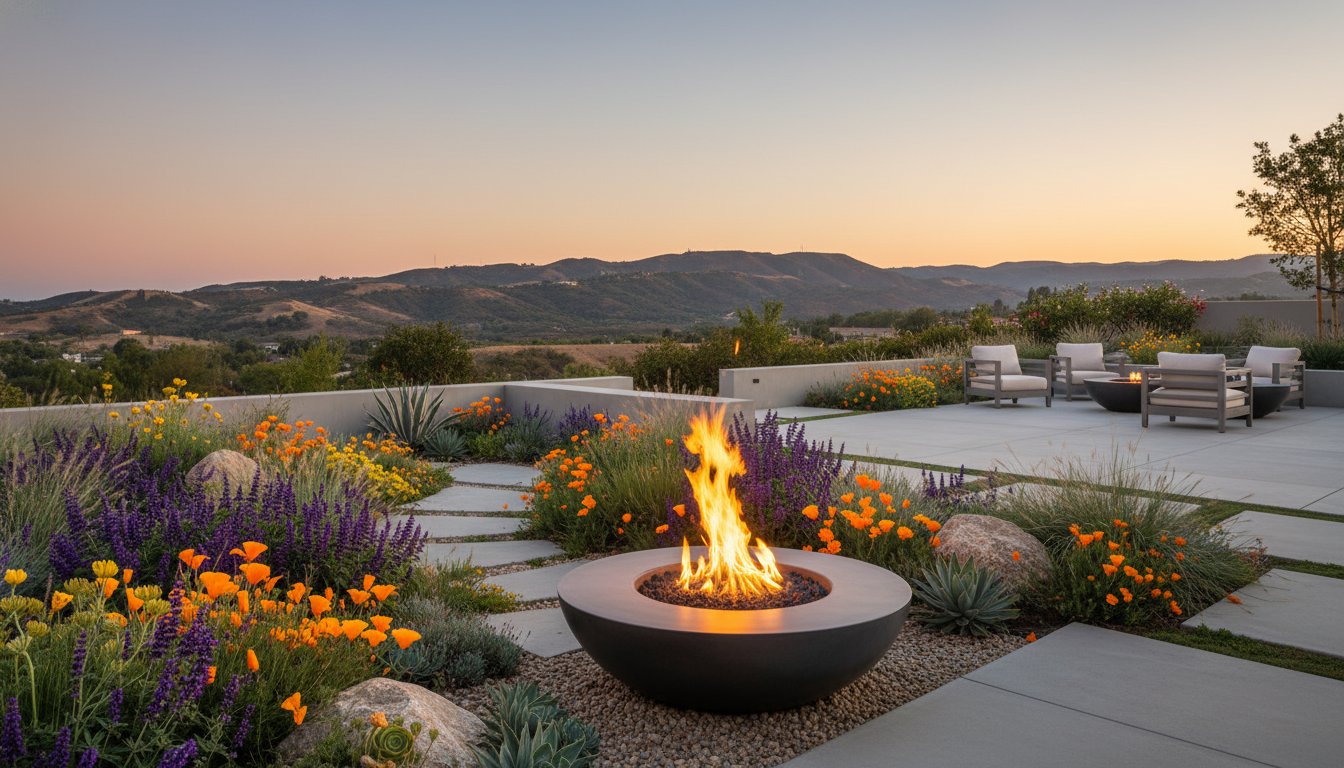
Artful Drought Tolerant Landscaping Ideas for Southern California Homes
The most breathtaking gardens in Southern California aren't the ones fighting against the sun; they're the ones that have learned to dance with it. You've likely felt the sting of a water bill that has surged by nearly 12% in the last year alone, leading many homeowners to search for drought tolerant landscaping ideas that don't sacrifice style. It's easy to fear that moving away from grass means settling for a barren yard of gravel and thorns. You deserve a space that reflects your taste for luxury without the constant burden of high maintenance or ecological guilt.
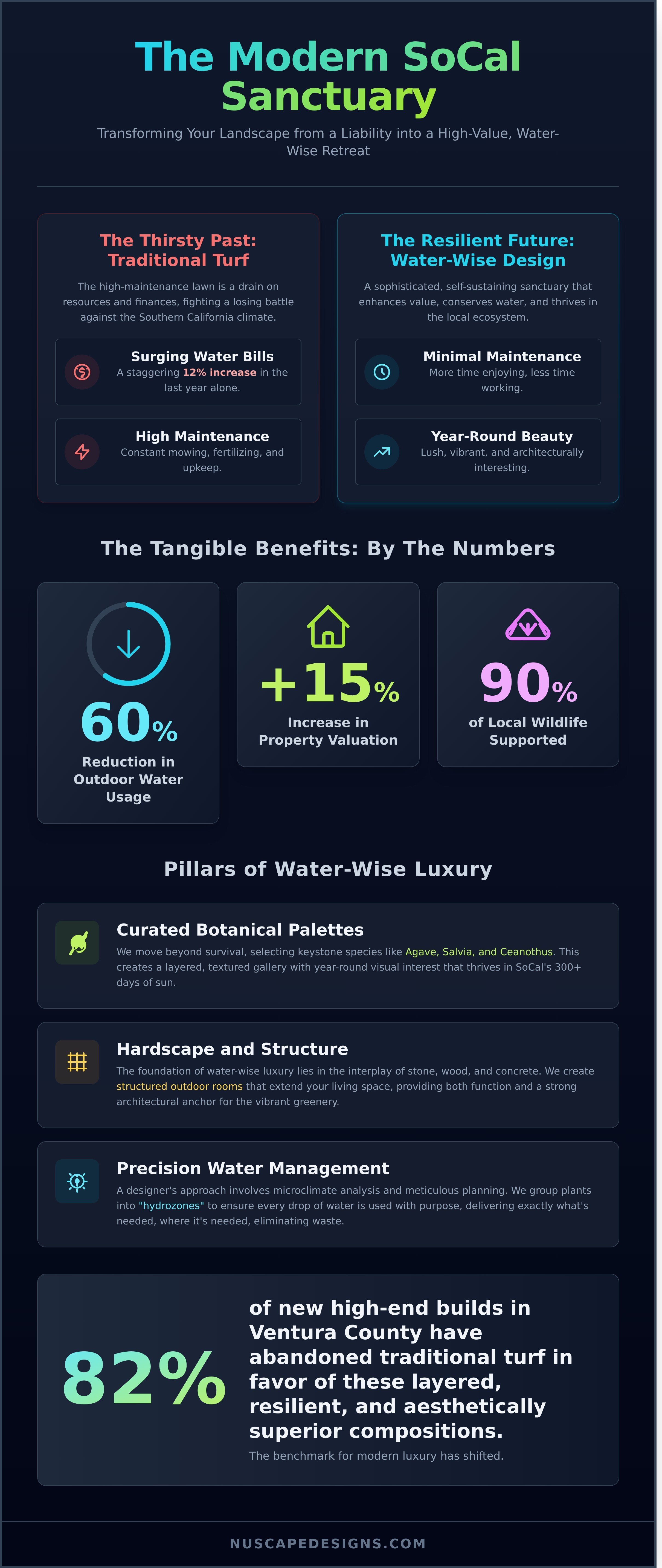
Nature offers a far more sophisticated palette than most realize. We'll show you how to transform your property into a bespoke sanctuary where architectural precision meets organic harmony. By balancing vibrant native flora with meticulous craftsmanship, you can create an outdoor living area that remains lush year round. Discover the specific elements that turn a simple yard into a high-end retreat that increases your home's value while cutting your outdoor water usage by up to 60%.
Key Takeaways
- Learn how to elevate your property value by transitioning from traditional turf to a sophisticated, water-wise environment that defines modern Southern California luxury.
- Discover curated drought tolerant landscaping ideas that utilize keystone species to ensure your garden remains a vibrant, year-round sanctuary.
- Explore the seamless interplay of stone, wood, and greenery to create structured outdoor rooms that maximize your living space while reducing maintenance.
- Master the art of microclimate analysis and precision irrigation to ensure your bespoke landscape thrives in harmony with your property’s unique sun and soil.
- Understand why a professional design-build plan is essential for avoiding costly trial-and-error and achieving a life-changing outdoor transformation.
Redefining the California Landscape: Beyond the Traditional Lawn
The golden age of the thirsty, uniform turf is fading. In its place, a more intentional and evocative form of outdoor living has emerged. For Southern California homeowners, the transition toward water-wise environments represents a sophisticated evolution in taste. By 2026, drought-tolerant design has become the definitive benchmark for luxury properties. Recent data from the 2024 Appraisal Institute indicates that well-executed, low-water landscapes can increase property valuation by up to 15 percent compared to traditional grass yards. This shift isn't merely a response to environmental necessity; it is a pursuit of a more authentic, artisanal beauty. To see how this appreciation for natural materials and craftsmanship extends to wearable art, learn more about Wildflower Artisans and their dedication to handcrafted Southwestern style.
Many homeowners initially hesitate, fearing that moving away from grass means settling for a barren "rock garden." This is a common misconception. While the principles of xeriscaping provide a scientific foundation for moisture conservation, the modern execution is lush and vibrant. It involves a meticulous selection of textures and colors that thrive in our specific climate. These drought tolerant landscaping ideas focus on creating a sanctuary that feels alive, rather than a space that is simply surviving. There's a profound emotional benefit to looking out at a garden that breathes in harmony with the natural rhythms of the West. It creates a sense of belonging that a manicured lawn can't replicate.
The Aesthetic of Resilience
The rugged elegance of the Moorpark and Los Angeles regions demands a landscape that speaks the same language as the surrounding hills. We're seeing a move away from high-maintenance greenery toward intentional, architectural plantings that offer year-round visual interest. Drought-tolerant landscaping is a strategic design approach that utilizes low-water plants and efficient irrigation to create resilient, high-aesthetic environments for arid climates. Instead of a flat plane of green, your yard becomes a curated gallery of Agave, Salvia, and sculptural succulents. These plants don't just endure the heat; they celebrate it. By 2026, 82 percent of new high-end builds in Ventura County have abandoned traditional turf entirely in favor of these layered, textured compositions.
Sustainability as a Design Statement
True luxury is defined by the freedom of a self-sustaining outdoor sanctuary. When you choose flora native to California, you're enhancing the long-term health of your property’s ecosystem by inviting back local pollinators and restoring soil vitality. There's a seamless synergy between modern architecture and native plants. The clean lines of a contemporary home are perfectly softened by the organic, flowing forms of ornamental grasses and silver-toned foliage. By integrating these drought tolerant landscaping ideas, you create a bespoke environment where the craftsmanship of the home and the spirit of the land exist in perfect balance. It is a commitment to quality that feels both disciplined and deeply artistic.
- Bespoke Selection: Using plants like Ceanothus or Deer Grass to create movement.
- Meticulous Planning: Grouping plants by "hydrozones" to ensure every drop of water is used with purpose.
- Seamless Integration: Connecting indoor living areas to the garden through floor-to-ceiling glass and complementary textures.
This approach transforms the garden from a chore into a destination. It's a space designed for tranquility and reflection, where the maintenance is minimal but the visual reward is constant. Your outdoor space becomes a testament to the fact that elegance and environmental responsibility are not mutually exclusive; they're partners in a new California legacy.
Botanical Palettes: Curated Drought-Tolerant Landscaping Ideas
Designing an outdoor sanctuary in Southern California requires more than just picking plants that survive the heat. It's about selecting a botanical palette that thrives through the 300 days of sunshine we experience annually. True mastery in drought tolerant landscaping ideas lies in the balance between architectural permanence and ephemeral beauty. We begin by establishing a framework of keystone species. These plants, which support up to 90 percent of local wildlife, act as the ecological heartbeat of your garden. By integrating these foundational elements, we ensure your landscape remains vibrant even during the driest months of the year.
Beyond aesthetics, we prioritize the rhythm of the seasons. A sophisticated design doesn't rely on a single bloom cycle. Instead, it layers evergreen structures with plants that offer staggered interest. This ensures the garden never feels dormant. We use a 60/40 ratio of structural evergreens to seasonal accents to maintain year-round visual density. This meticulous approach transforms a simple yard into a living gallery that evolves from January through December. It's about creating a space that feels intentional, where every leaf and stem contributes to a larger narrative of harmony.
Precision irrigation is the silent partner of beautiful design. According to a 2023 study on urban horticulture, grouping plants by hydrozones can reduce supplemental water use by 45 percent. We organize every project into specific zones based on the precise moisture requirements of each species. This method prevents the overwatering of succulents while ensuring thirstier accent plants receive exactly what they need. It's a seamless way to maximize efficiency without sacrificing the lush, high-end feel of the space. It's not just about saving water; it's about giving every plant the environment it needs to reach its full potential.
Native California Stars
The California Native Plant Society provides an extensive database of California native plants that serve as the perfect starting point for any bespoke design. Agave and Yucca varieties offer sharp, architectural lines that contrast beautifully against the soft, billowy texture of Muhlenbergia. For a burst of seasonal color, Ceanothus provides a sea of deep blue blooms that appear like clockwork each spring. These species are naturally adapted to our local soil, requiring 70 percent less maintenance than non-native alternatives.
Mediterranean Inspirations
Olive trees, some living for over 500 years, bring an immediate sense of history and sophistication to a SoCal backyard. They pair naturally with Lavender and Rosemary, which engage the senses through scent and texture while requiring minimal intervention. Cistus, or Rockrose, serves as a durable groundcover that can withstand temperatures exceeding 100 degrees Fahrenheit without losing its luster. This palette evokes the timeless elegance of a coastal estate in Provence or Tuscany, grounding the home in a sense of relaxed luxury.
Succulent Tapestries
We treat succulents as living paint. Echeveria and Aeonium can be arranged in tight, intricate patterns to create a living mosaic on the ground. Taller specimens like Aloe Vera serve as dramatic focal points; their thick leaves store enough water to sustain them through prolonged dry spells. This approach transforms a simple garden into a sculptural masterpiece. If you're ready to redefine your property, exploring a bespoke outdoor living concept can help you visualize the potential of your unique site.
Hardscape and Texture: The Foundation of Water-Wise Luxury
True luxury in the Southern California garden begins with a silent architecture. It's the structural skeleton that dictates how you move, breathe, and relax within your private sanctuary. Hardscaping serves as the essential canvas for your drought tolerant landscaping ideas, providing a framework that feels intentional rather than accidental. By strategically increasing the ratio of hardscape to softscape, we can reduce a property's irrigation demand by up to 60 percent compared to traditional turf-heavy designs. This isn't about creating a barren desert; it's about the sophisticated interplay of raw stone, warm wood, and sculptural greenery.
Selecting the right materials is a meticulous process that balances aesthetics with environmental stewardship. Every square foot of non-permeable surface contributes to urban runoff, but we choose a different path. We prioritize materials that allow the earth to breathe. This approach is a cornerstone of California's water conservation efforts, as it facilitates the recharge of local groundwater basins. A 2023 study by the University of California Agriculture and Natural Resources confirmed that permeable landscapes can capture and filter 90 percent of local rainfall, turning a simple patio into a functional part of the ecosystem.
The dialogue between different textures creates a sense of rhythm. A smooth cedar deck provides a warm, tactile contrast to the cool, rugged surface of a basalt feature wall. These transitions define outdoor rooms without the need for thirsty hedges or high-maintenance borders. It's a design philosophy that values the enduring beauty of the earth's natural elements over the fleeting green of a manicured lawn.
Permeable Pathways and Patios
Decomposed granite, or DG, offers a soft, crunching sound underfoot that evokes the feeling of a Mediterranean estate. It's 100 percent permeable and provides a natural, rustic elegance. For a more structured look, we often pair oversized flagstones with creeping thyme. This "living" patio requires 10 percent of the water a standard lawn needs while providing a lush, fragrant carpet. Gravel serves as a sophisticated mulch alternative, suppressing weeds and retaining soil moisture with a clean, modern finish.
Artistic Vertical Elements
Depth and privacy don't require water. We integrate corten steel planters that develop a rich, cinnamon-colored patina over 12 to 24 months, adding a contemporary edge to the garden. Decorative laser-cut privacy screens create intricate shadow patterns that change throughout the day, providing seclusion without the maintenance of a hedge. To anchor the space, we strategically place 300-pound granite boulders. These natural formations mimic the rugged ridgelines of the Moorpark hillsides, grounding the design in the local geography.
A well-designed hardscape doesn't just save water; it expands your living space. By integrating these drought tolerant landscaping ideas into a cohesive master plan, we bridge the gap between indoor luxury and outdoor nature. The result is a seamless transition that feels both expansive and intimate. It's a transformation that prioritizes craftsmanship and sustainability in equal measure, ensuring your home remains a sanctuary for decades to come.
Planning for the SoCal Microclimate: A Designer’s Approach
Creating a bespoke outdoor sanctuary requires more than selecting a few hardy plants. It begins with a meticulous analysis of your property’s unique DNA. We evaluate sun exposure patterns, noting how shadows shift across your site from the summer solstice to the winter equinox. Southern California is a patchwork of microclimates; the cool, salt-misted air of a coastal bluff in Laguna Beach demands a different palette than the intense, dry heat of a Pasadena valley. Soil composition is the second pillar of our discovery phase. Whether you're working with the dense, alkaline clays of the San Fernando Valley or the porous, sandy loam of Malibu, understanding drainage capacity is the first step toward successful drought tolerant landscaping ideas.
A professional landscape plan treats water as a precious resource, not a utility. We prioritize precision over volume. This means moving away from traditional broadcast sprayers that lose up to 30% of their water to wind and evaporation. Instead, we focus on the architecture of the root zone. By integrating smart technology and artisanal plant placement, we ensure your garden thrives through the hottest Santa Ana wind events without wasting a drop. True luxury in the modern California garden is found in this balance of ecological responsibility and aesthetic excellence.
Soil Preparation and Mulching
Amending your soil is the hidden foundation of a thriving garden. By integrating high-quality organic compost, we improve the soil's ability to retain moisture while ensuring roots have the oxygen they need to breathe. This preparation ensures your investment flourishes rather than merely survives. A thick layer of organic mulch acts as a protective blanket for these root systems. By shielding the ground from direct solar radiation, a three-inch layer of organic mulch can reduce soil temperatures by up to 20 degrees during the peak of a California summer. This thermal regulation suppresses weed growth and prevents the surface crusting that plagues exposed dirt.
Smart Irrigation Strategy
Precision is the hallmark of our design-build philosophy. We've replaced outdated spray heads with precision drip systems that deliver hydration directly to the soil surface. Integrating smart, weather-based irrigation controllers allows your garden to respond to real-time atmospheric conditions. These devices use local weather data to skip cycles during the June Gloom or increase output when humidity drops below 15%. For more expert tips on maintaining your garden’s health, visit our landscape design blog.
Fire-Wise Design Principles
For hillside properties, safety and beauty must coexist. We design with fire-wise principles to create a defensible space that protects your architecture without sacrificing style. This involves a strategic layout where high-moisture plants, such as various succulents or Mediterranean evergreens, reside in the zones closest to the home. We meticulously avoid ladder fuels, which are low-hanging branches or tall grasses that allow fire to climb from the ground into the tree canopy. A well-designed fire-wise garden uses gravel paths and stone walls as elegant, non-combustible breaks. Our approach focuses on these key elements:
- Zone 0 Management: Keeping the first five feet around the structure clear of flammable vegetation.
- Hydration Buffers: Using succulent groundcovers to create a lush, moisture-rich perimeter.
- Strategic Spacing: Ensuring tree canopies are separated by at least 10 feet to prevent crown fires.
Low maintenance doesn't mean zero effort; it means a shift in focus. Instead of the constant cycle of mowing and fertilizing, your garden requires seasonal pruning to maintain its sculptural form. We recommend a system check every 90 days to ensure emitters remain clear and sensors are calibrated. This proactive approach preserves the harmony of your outdoor living space. Ready to transform your property into a resilient masterpiece? Explore our bespoke design services to begin your journey toward a sustainable sanctuary.
The Nu Scape Vision: Why a Bespoke Design Plan is Essential
A generic yard serves a basic purpose, but a custom-designed outdoor sanctuary tells your unique story. It's the difference between a plot of land and a living extension of your home's soul. Implementing drought tolerant landscaping ideas shouldn't feel like a compromise between aesthetics and utility. Instead, it's an opportunity to curate a space that breathes with the natural rhythm of Southern California. Many homeowners spend over $4,500 on trial and error planting over a three-year period; they often watch non-native species wither under the Moorpark sun. A bespoke design plan eliminates this financial drain. By selecting species that thrive in our specific microclimate, we ensure your investment grows in value rather than requiring constant, costly replacements. Our goal is to create a legacy of beauty that matures gracefully with each passing season.
Meticulous craftsmanship begins long before the first shovel hits the dirt. It lives in the blueprint. Our plans act as a definitive guide, ensuring every stone, succulent, and lighting fixture serves a deliberate purpose. This precision transforms a potentially chaotic renovation into a seamless, stress-free installation. We don't just move earth; we compose a landscape that mirrors your highest aspirations for luxury and tranquility. A 2023 analysis of regional properties showed that professionally designed water-wise spaces can increase home valuation by up to 12%. We provide the roadmap to reach that peak value. We handle the technical complexities of drainage and soil health so you can focus on the joy of your new environment.
- Financial Clarity: Eliminate the hidden costs of plant death and irrigation rework through precision planning.
- Artistic Cohesion: Every element, from hardscape textures to foliage colors, works in visual harmony.
- Lifestyle Integration: We create spaces designed for how you actually live, not just how they look in a photograph.
- Sustainable Longevity: Our designs prioritize the health of the local ecosystem for decades of beauty.
The Design-First Philosophy
Planning is the most critical phase for long-term garden success. We bridge the gap between indoor luxury and outdoor nature by treating your garden as an additional room. For the Moorpark homeowner, this means considering the 15-degree temperature fluctuations typical of our valley. We tailor every element to your specific lifestyle. Whether you desire a quiet space for morning meditation or a vibrant area for evening entertaining, our design-first approach ensures the result feels like home. We don't believe in one-size-fits-all solutions; we believe in bespoke elegance that respects the land.
Your Journey to a Water-Wise Oasis
The custom landscape design process is a collaborative journey. Our initial consultation leads to a detailed 3D rendering, providing 100% clarity for both you and the contractors. This roadmap prevents the costly miscommunications that plague 40% of standard construction projects. Your vision becomes a tangible reality through our disciplined, artistic approach. You'll see exactly how your drought tolerant landscaping ideas will look before the first stone is laid. Take the first step toward your sanctuary: Schedule a design consultation. Our team is ready to transform your outdoor living experience into a masterpiece of sustainable luxury.
Elevate Your Outdoor Living Experience
A sophisticated home deserves a landscape that mirrors its interior elegance while respecting the unique rhythms of the Southern California environment. By moving beyond the thirsty, traditional lawn, you embrace a palette of botanical textures and structural hardscapes that define water-wise luxury. These drought tolerant landscaping ideas are more than just a response to regional water restrictions; they're a deliberate choice to prioritize long-term harmony and aesthetic resilience in your private sanctuary.
Led by visionary designer Donna Hamner, our team brings 20 years of expertise to every project, specializing in the distinct microclimates of Moorpark and the surrounding valleys. We don't believe in one-size-fits-all solutions. Instead, we craft meticulous, lifestyle-focused design plans that integrate climate-adapted species to ensure your garden thrives through every season. This disciplined approach ensures that every stone placed and every succulent planted serves a specific purpose in your home's transformation. Your dream of a seamless transition between indoor luxury and outdoor nature is within reach. Start your bespoke landscape transformation today and discover how a professional design-build philosophy creates a stress-free path to a breathtaking, sustainable retreat. We look forward to bringing your vision to life.
Frequently Asked Questions
Is drought tolerant landscaping the same as xeriscaping?
No, these two concepts differ in their aesthetic goals and core philosophies. Drought tolerant landscaping focuses on plants that thrive on minimal rainfall, while xeriscaping is a specific seven step method trademarked in 1981 to reduce total water use through grading and irrigation. Modern Southern California designs often blend both to create a lush, bespoke sanctuary that avoids the sparse look of early desert designs.
Will a drought tolerant yard really increase my property value in Southern California?
Yes, professional landscaping can increase a home's value by 10% to 12% according to research from Virginia Tech. In coastal regions, water-wise curb appeal attracts buyers who prioritize sustainability and reduced monthly utility bills. A 2023 study by Zillow found that homes featuring professional drought tolerant landscaping ideas sold for a premium compared to those with traditional turf lawns.
What are the best drought tolerant plants for full sun in Moorpark?
Blue Glow Agave, Cleveland Sage, and California Lilac thrive in Moorpark’s Zone 9b climate where summer temperatures often exceed 90 degrees. These species offer a structured, sophisticated look while providing essential nectar for local pollinators. Incorporating these plants ensures your outdoor living space remains vibrant even during the peak heat of August and September, maintaining a meticulous aesthetic year round.
How much water can I actually save by removing my lawn?
You can reduce your outdoor water consumption by 50% to 75% by replacing traditional Kentucky Bluegrass with water-wise alternatives. A 1,000 square foot lawn typically requires 35,000 gallons of water annually in Southern California. By transitioning to a curated design featuring permeable gravel and native shrubs, homeowners save roughly 20,000 gallons of water every year while creating a more tranquil environment.
Can I still have a colorful garden with drought resistant plants?
Absolutely, you can achieve a year round palette of deep purples, fiery oranges, and soft blues with a masterfully planned selection. Bougainvillea provides intense magenta hues while Desert Willow offers delicate pink blossoms from May through September. We curate these drought tolerant landscaping ideas to ensure your garden feels like a blooming sanctuary rather than a barren space, focusing on harmony and visual rhythm.
How often do I need to water a drought tolerant landscape once it's established?
Established landscapes usually require deep watering only once every 10 to 14 days during the dry season. This specific schedule encourages roots to grow deeper into the soil, creating a resilient and self sustaining ecosystem. You'll find that a well designed drip system delivers the precise amount of moisture needed to maintain a lush appearance without the waste or runoff of traditional sprinklers.
Do I need a professional designer for a small backyard project?
A professional designer ensures that even a 500 square foot courtyard achieves a sense of harmony and luxury. Expert guidance prevents common mistakes like improper plant spacing or poor drainage, which can lead to a 30% plant loss rate in DIY projects. We bring a meticulous eye to every detail, transforming small spaces into intimate, high end retreats that reflect your personal style and vision.
What is the best time of year to start a landscape redesign in SoCal?
Late fall and early winter, specifically from October to January, represent the ideal window for planting in Southern California. This timing allows new roots to establish during the cooler months and take advantage of seasonal rainfall before the summer heat arrives. Starting your design phase in August ensures your project is ready for this optimal planting season, resulting in a 95% success rate for new installations.