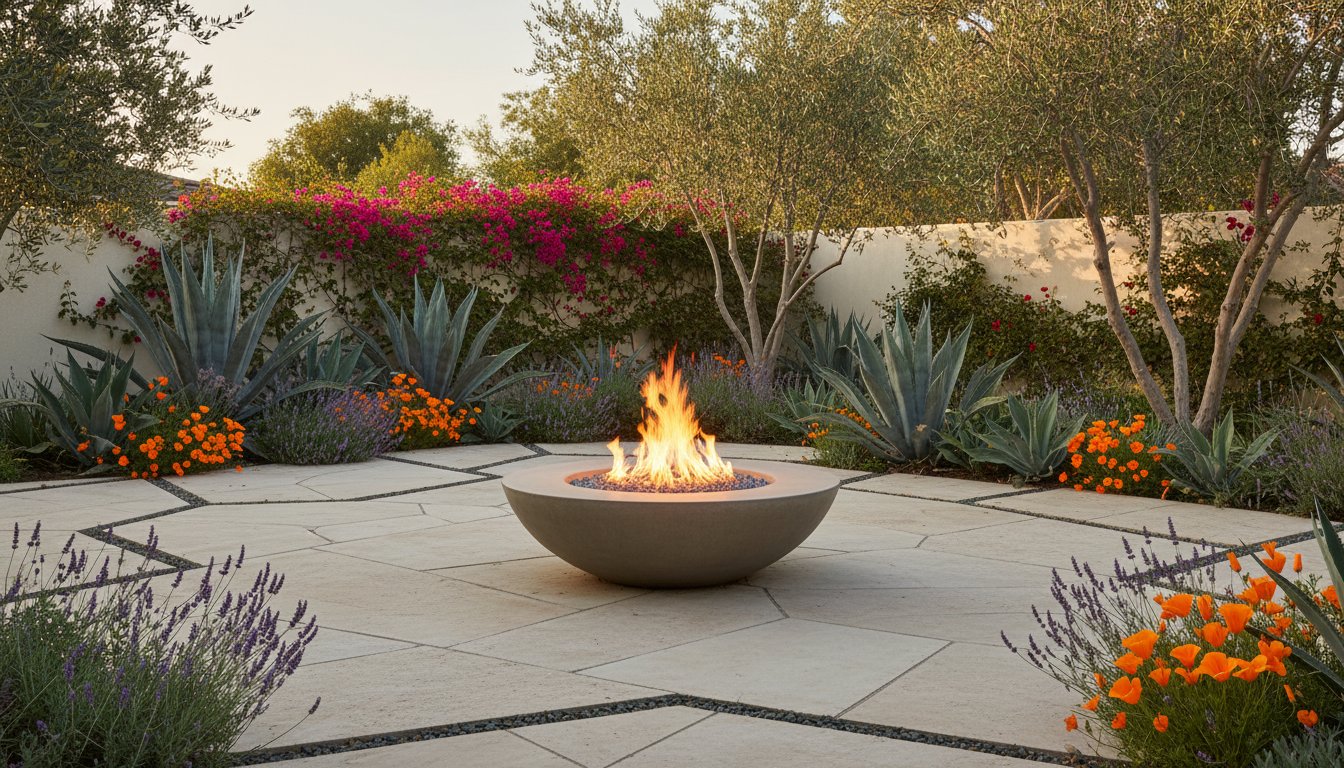
A Practical Guide to Landscape in Los Angeles: Thriving in the SoCal Climate
Is your water bill climbing higher than the summer temperatures? Are you tired of watching your plants struggle against the SoCal sun, leaving you with a yard that feels more like a chore than a retreat? For many homeowners, creating a beautiful and functional landscape in los angeles can feel like a constant, costly battle. It doesn’t have to be this way. The secret isn't more water or more work; it's a smarter, climate-appropriate approach that works with our environment, not against it.
This guide is your practical roadmap to achieving a yard that thrives. We will walk you through the essential principles of a successful Southern California garden, from choosing the right drought-tolerant plants to designing a cohesive, low-maintenance space you can actually use and enjoy. Get ready to gain the confidence to create a stunning outdoor oasis that lowers your water bill, increases your property value, and becomes a lasting, beautiful investment for your home.
Key Takeaways
- Master the core principles of a successful landscape in los angeles, from selecting climate-appropriate plants to implementing water-wise techniques.
- Discover that a drought-tolerant garden can be lush and beautiful with styles like Mediterranean or California Native, moving far beyond the typical desert look.
- Understand how functional hardscaping-like patios and walkways-creates usable outdoor living spaces while significantly reducing lawn and water needs.
- Learn why a cohesive design plan is the most critical step to avoid costly mistakes and ensure your new landscape provides long-term value and enjoyment.
Understanding the Unique Los Angeles Landscape Canvas
Creating a lasting, functional landscape in Los Angeles begins long before the first plant goes in the ground. Many homeowners make the costly mistake of applying a generic, one-size-fits-all approach, only to see their investment struggle against the region's unique environmental pressures. The key to success is first understanding your specific canvas-the distinct combination of climate, sun, water, and soil that defines your property. A thoughtful plan built on this foundation is the difference between a garden that thrives and one that merely survives.
This video provides a practical look at how professionals navigate the specific challenges, like steep slopes, that are common in our local terrain:
The Defining Factor: Water Scarcity and Regulations
LA's arid climate and history of drought are non-negotiable realities. Local water restrictions and attractive turf replacement rebates are not just suggestions; they are powerful incentives shaping modern garden design. This reality directly influences every decision, from selecting climate-appropriate, drought-tolerant plants to installing high-efficiency irrigation systems. A water-wise strategy isn't a trend-it's a requirement for a sustainable and low-maintenance outdoor space.
Navigating Microclimates and Intense Sun Exposure
The city is a mosaic of microclimates. A landscape plan that thrives in the cool, coastal air of Santa Monica will quickly fail in the intense heat of the San Fernando Valley. A thorough site analysis is critical to map sun exposure, reflected heat from hardscaping, and daily shade patterns. Understanding these factors ensures that plants are placed where they can flourish, not just survive, preventing the common mistake of "right plant, wrong place."
Working With (or Amending) Challenging SoCal Soil
Southern California soil presents its own set of challenges, commonly consisting of heavy clay, fast-draining sand, or decomposed granite. These native soils often lack essential nutrients or suffer from poor drainage. The diverse topography contributes to these varied soil types, a direct result of the complex climate and native flora of Los Angeles. Rather than fighting the soil, the solution is to amend it with organic matter to create a healthy foundation for robust plant growth. This thoughtful preparation is a cornerstone of any successful landscape in los angeles.
Popular Landscape Styles That Thrive in Los Angeles
Creating a functional, water-wise garden doesn't mean settling for a barren yard of rocks and cacti. A thoughtful, climate-appropriate landscape in Los Angeles can be lush, beautiful, and incredibly diverse. The key is to choose an aesthetic that works with our environment, not against it. By selecting plants that are naturally suited to Southern California's dry summers and mild winters, you ensure your private oasis is both sustainable and low-maintenance. Here are three popular design directions that deliver beauty and function.
Mediterranean Charm: Olive Trees, Lavender, and Gravel
This style evokes the sun-drenched hillsides of Italy and Greece, making it perfectly adapted to LA’s climate. It relies on a palette of silver-leafed plants, fragrant herbs, and tough, vibrant flowers. Decomposed granite or gravel pathways replace thirsty lawns, while terracotta pots add rustic warmth. The result is a romantic, textured garden that requires minimal water once established and provides year-round interest.
- Key Plants: Olive trees (Olea europaea), Rosemary, Lavender, and Bougainvillea for brilliant color.
Desert Modern & Minimalism: Clean Lines and Sculptural Plants
Reflecting the clean lines of modern LA architecture, this style treats plants as living sculptures. The focus is on form, texture, and the intentional use of negative space. Hardscaping elements like concrete pavers, steel planters, and dark mulch create a strong visual structure. This minimalist approach is ideal for a sophisticated, low-maintenance landscape in Los Angeles that makes a bold statement without overwhelming the senses.
- Key Plants: Agave attenuata, Yucca rostrata, and Palo Verde trees (Parkinsonia) for their architectural shapes.
California Native & Naturalistic: Celebrating Local Ecology
For the most sustainable and eco-friendly option, look no further than our own local flora. A California native garden is designed to be extremely low-water and supports vital local pollinators like bees and butterflies. This approach creates a landscape that feels authentic and connected to its surroundings. Choosing the right species is crucial, and this official drought-tolerant plant guide from LA County is an excellent resource for homeowners to find plants that thrive here.
- Key Plants: Ceanothus (California Lilac), various Salvia species (Sage), and Manzanita (Arctostaphylos).
The Core Principles of a Water-Wise LA Landscape
A beautiful, private, and sustainable garden doesn't happen by accident. It’s the result of thoughtful planning grounded in proven techniques. These core principles are the foundation of any smart, low-maintenance landscape in los angeles, ensuring your outdoor space works as beautifully as it looks. By embracing these strategies, you save significant water, reduce maintenance time, and create a resilient garden that thrives in Southern California's unique climate.
Principle 1: Right Plant, Right Place (Hydrozoning)
Hydrozoning is the professional practice of grouping plants together based on their similar water and sun requirements. This simple, logical approach prevents the common mistake of overwatering drought-tolerant plants or underwatering thirsty ones. For example, planting a water-loving flower bed next to a garden of native succulents is inefficient. A cohesive design clusters these groups into separate zones, allowing you to water each one correctly and effectively.
Principle 2: Efficient Irrigation and Smart Technology
Outdated spray-head sprinklers can waste up to 50% of the water they use through evaporation and runoff. The solution is a modern, efficient irrigation system. We prioritize drip irrigation, which delivers water directly to the plant's root zone, eliminating waste. This approach is a cornerstone of sustainable gardening, as detailed in the comprehensive LA County Water-Wise Gardening Guide, because it trains plants to be more resilient. Paired with a smart controller that adjusts watering schedules based on real-time weather, you ensure your landscape gets exactly what it needs, and no more.
Principle 3: The Unsung Hero - Mulch and Healthy Soil
Healthy soil is the bedrock of a thriving garden, and mulch is its most valuable ally. Applying a two- to three-inch layer of organic mulch, like bark chips, over your soil provides several key benefits:
- Moisture Conservation: It acts as a blanket, dramatically reducing water loss from evaporation.
- Weed Suppression: It blocks sunlight, preventing most weed seeds from sprouting.
- Temperature Regulation: It insulates plant roots from extreme summer heat and winter cold.
As organic mulch breaks down, it also enriches the soil, creating a long-term, functional ecosystem for your plants.
Beyond Plants: Hardscaping for Functional Outdoor Living
A successful landscape is more than just a collection of plants; it's a functional extension of your home. In Southern California, where outdoor living is a year-round reality, thoughtful hardscaping is the foundation that makes this possible. By integrating structures and surfaces, we transform your yard from a simple view into a usable space, all while reducing maintenance and water consumption. A truly functional landscape in Los Angeles is one where beauty and utility are perfectly balanced.
Creating 'Outdoor Rooms' with Patios and Decks
Hard surfaces like patios and decks are essential for defining specific "outdoor rooms"-a dedicated space for dining, a comfortable lounge area, or a safe spot for recreation. These elements provide a solid, usable foundation that replaces thirsty turf grass. Climate-appropriate materials like durable pavers, natural decomposed granite (DG), or warm wood decking create low-maintenance zones that anchor your outdoor living areas.
The Importance of Shade: Pergolas, Trees, and Shade Sails
To truly enjoy your outdoor space during our hot, sunny months, shade is non-negotiable. A well-placed pergola can create an architectural focal point and provide reliable, structured shade for a patio. For a more natural approach, a strategically planted deciduous tree offers cooling shade in the summer and allows warming sun through in the winter. Both options make your yard more comfortable and can even help lower home cooling costs.
While outdoor shade is essential for a functional yard, you can further enhance your home's interior efficiency and UV protection when you discover Sunnyside Glass Solutions Ltd., which offers professional window film and glass services.
Choosing Permeable Surfaces for Better Water Management
One of the most common mistakes in landscape design is using too much impermeable concrete, which forces precious rainwater to run off into storm drains. Opting for permeable surfaces is a smarter, more sustainable choice. These materials allow water to soak back into the ground, which is critical for our local ecosystem.
- Recharges groundwater: Helps replenish local aquifers instead of wasting water.
- Reduces runoff: Minimizes the flow of pollutants into our waterways.
- Prevents soil erosion: Keeps your landscape stable and healthy.
Materials like decomposed granite, gravel, and permeable pavers are excellent, functional alternatives to solid concrete slabs, contributing to a healthier overall landscape in Los Angeles. Thoughtful planning of these hardscape elements ensures your outdoor space is not just beautiful, but also resilient and efficient. For expert guidance on creating a cohesive and water-wise plan, contact Nu Scape Designs.
The First Step: Why a Professional Plan is Key in Los Angeles
We’ve explored how strategic layering, climate-appropriate plants, and thoughtful hardscaping can create a private, functional outdoor space. But bringing these elements together into a cohesive and lasting design requires more than just good intentions. The temptation to skip straight to installation is strong, but a thoughtful plan is the single most important investment you can make in the long-term success of your landscape in los angeles.
Avoiding Costly Mistakes and 'Do-Overs'
A professional design plan is your project's insurance policy. It addresses potential issues on paper-where changes are easy and inexpensive-before they become costly problems in your yard. A good plan helps you sidestep common errors that lead to frustration and wasted money, such as:
- Wrong Plants, Wrong Place: Selecting plants that won't thrive in your specific microclimate or that grow too large for their intended space.
- Poor Drainage: Failing to account for water flow, leading to soggy areas, root rot, or water damage to your home's foundation.
- Inefficient Irrigation: Installing a system that wastes water and money or fails to deliver the right amount of water to different plant zones.
Designer vs. Contractor: Who Should You Hire First?
Understanding the roles is critical. A landscape designer is the architect of your project; they create the vision and the detailed blueprint based on your needs, your property’s unique conditions, and sound design principles. A landscape contractor is the skilled builder who brings that blueprint to life. Starting with a designer ensures your vision leads the project, preventing a "build-first, design-later" approach that rarely ends well.
What to Expect from a Landscape Design Plan
A comprehensive design plan is a powerful tool. It’s not just a rough sketch; it’s a complete set of documents that typically includes a site analysis, concept drawings, a detailed planting plan with climate-smart selections, and specifications for irrigation and hardscaping. This professional blueprint empowers you to get clear, accurate, and comparable quotes from contractors, ensuring everyone is bidding on the exact same project. It puts you in control of the process and the budget.
Ultimately, a successful privacy landscape is one that is both beautiful and functional for years to come. It considers how plants will mature, how water will be used, and how the space will serve your family. Start with a plan to ensure your landscape works beautifully.
Your Blueprint for a Thriving Los Angeles Landscape
Creating a successful landscape in los angeles is not about fighting the local climate, but about intelligently working with it. As we've explored, the key lies in understanding our unique environment, choosing water-wise plants and styles that flourish here, and integrating functional hardscaping to extend your living space outdoors. This practical approach ensures your yard is not only beautiful but also resilient and sustainable for years to come.
Ultimately, the most crucial step is starting with a solid foundation. A professional plan is what separates a piecemeal yard from a cohesive, functional outdoor oasis. At Nu Scape Designs, we specialize in climate-appropriate design for Southern California, focusing on creating low-maintenance and beautiful spaces that truly work for you. We believe a thoughtful plan is the best way to avoid costly mistakes and achieve long-term success.
Your ideal outdoor living area is within reach. Ready to create a beautiful, water-wise outdoor space? Contact us for a design consultation.
Frequently Asked Questions
How much does it cost to landscape a yard in Los Angeles?
The cost to landscape a yard in Los Angeles varies significantly based on project size, complexity, and material choices. A simple planting project may be a few thousand dollars, while a full renovation with hardscaping, irrigation, and lighting can range from $20,000 to over $100,000. Key factors include demolition needs, soil condition, and specific features like patios or retaining walls. We provide detailed, transparent proposals to ensure your project aligns with your budget and long-term value goals.
Can I have a beautiful garden in LA without a lawn?
Absolutely. A lawn-free garden is not only possible but is often more functional and sustainable in our climate. We design beautiful, cohesive spaces using a mix of climate-appropriate groundcovers, attractive decomposed granite pathways, and layered plantings with varied textures and heights. This thoughtful approach creates a visually dynamic, low-maintenance space that conserves significant water while reflecting the natural beauty of Southern California, proving that function and beauty can coexist perfectly.
What are the best low-maintenance plants for the Los Angeles area?
For a truly low-maintenance landscape, we focus on drought-tolerant plants that are well-suited to the Southern California climate. Excellent choices include Westringia for evergreen structure, various Salvia (Sage) species for vibrant color and pollinator support, and architectural plants like Agave or Lomandra. These selections require minimal water once established and are adapted to our local conditions, ensuring your garden remains beautiful year-round without constant, demanding care.
How can I save the most water in my garden?
The most effective strategy for saving water involves combining smart plant choices with efficient technology. The first step is replacing thirsty plants and turf with drought-tolerant natives. The second is installing a modern drip irrigation system with a smart controller that adjusts watering schedules based on weather. Finally, applying a thick layer of mulch is crucial for reducing evaporation and suppressing weeds. This cohesive approach creates a resilient, functional, and water-wise garden.
Do I need a permit for landscaping in Los Angeles?
While most basic planting projects do not require a permit, they are often necessary for a more complex landscape in los angeles. Permits are typically triggered by significant grading, retaining walls over a specific height, or extensive electrical and plumbing work for features like lighting or irrigation. Our process includes determining exactly what permits are needed for your project and managing the application to ensure full compliance with all city and county regulations.
How long does the landscape design process take?
Our thoughtful and collaborative design process typically takes between 4 and 8 weeks to complete. This timeline allows for a thorough initial consultation, a detailed site analysis, the development of conceptual plans, and any necessary revisions based on your feedback. This careful planning phase is a critical investment, as it prevents costly construction errors and ensures the final installation is a cohesive, functional space that perfectly matches your vision.