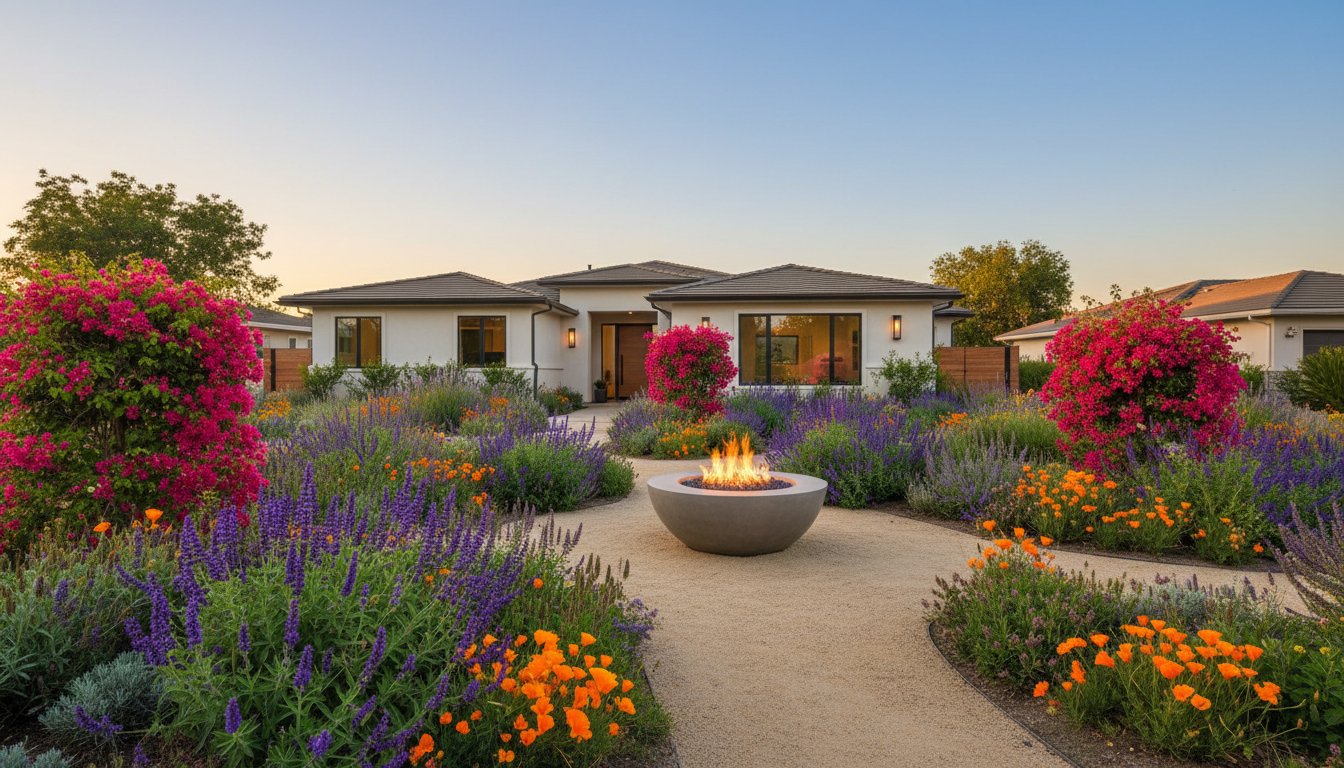
7 Beautiful Front Yard Design Ideas Without Grass
Are you tired of watching your water bill climb as your lawn struggles to stay green under the Southern California sun? Does the thought of another weekend spent mowing, weeding, and fertilizing feel more like a chore than a joy? Many homeowners share this frustration, believing a traditional lawn is the only path to great curb appeal while fearing that any alternative will look barren. The good news is that a thoughtful front yard design without grass can solve these problems, creating a functional landscape that is both beautiful and sustainable.
This article is your practical guide to making that change. We will show you how to transform your thirsty turf into a stunning, low-maintenance oasis. You’ll discover seven actionable ideas-from vibrant, drought-tolerant plant palettes to elegant hardscaping solutions-that are perfectly suited for our climate. Get ready to gain a clear vision for a front yard that increases your home's value, lowers your monthly bills, and gives you back your free time.
Key Takeaways
- A grass-free front yard can drastically reduce maintenance and water use while increasing your home's curb appeal and functionality.
- Your options extend far beyond simple rock gardens, including vibrant native meadows and sculptural succulent displays that suit various architectural styles.
- A successful front yard design without grass requires thoughtful planning that considers your home's style, Southern California's climate, and how you want to use the space.
- Your front yard can be transformed from a simple pass-through area into a usable outdoor living space, like a private courtyard, effectively extending your home.
1. The Gravel & Decomposed Granite Garden: A Modern, Permeable Foundation
Replacing a thirsty lawn is one of the most impactful decisions a homeowner can make, especially in Southern California. For a truly functional and low-maintenance front yard design without grass, starting with a base of gravel or decomposed granite (DG) is a smart, long-term investment. These materials create a clean, modern aesthetic while offering significant practical benefits. Their permeability allows rainwater to soak into the ground, reducing runoff and supporting a healthy soil ecosystem. This approach is a cornerstone of Xeriscaping, a design philosophy centered on creating beautiful, water-wise landscapes that thrive in our specific climate.
To see how these materials can transform a space, here are some expert design tips:
Choosing Your Materials: Gravel vs. Decomposed Granite
Selecting the right material is key to achieving a cohesive look. Each option serves a distinct functional purpose:
- Decomposed Granite (DG): This fine, crushed rock packs down to create a firm, natural-looking surface. It’s an excellent choice for patios, walkways, and seating areas, offering a softer alternative to concrete.
- Pea Gravel: These small, smooth, rounded stones provide a classic, textured look. They work well as a filler in garden beds between pavers or as a comfortable surface for informal paths.
- River Rock: Larger and more varied in color and shape, river rocks are perfect for creating visual accents, defining borders, or constructing functional dry creek beds that help manage water flow.
Design Ideas for a Cohesive Gravel Garden
A successful front yard design without grass uses hardscape to create structure and interest. Consider these proven techniques:
- Checkerboard Pattern: Place large, modern concrete or stone pavers with uniform gaps, then fill the gaps with a contrasting gravel. This creates a sophisticated, geometric look.
- Dry Creek Bed: A thoughtfully designed dry creek bed using river rock not only adds a naturalistic element but also provides a functional channel for rainwater during storms.
- Clean Edging: Use steel, stone, or concrete edging to create crisp, clean lines between gravel areas and garden beds. This prevents materials from mixing and gives the landscape a polished, intentional feel.
Plant Pairings for a Rock Garden Look
The final step is selecting climate-appropriate plants that complement the hardscape. The goal is a balance of texture and form.
- Sculptural Statements: Use dramatic succulents like Agave, Aloe, or Yucca as focal points. Their bold, architectural shapes stand out beautifully against the simple backdrop of gravel.
- Soft Textures: Incorporate ornamental grasses like Blue Fescue or Deer Grass. Their fine texture and gentle movement provide a crucial contrast to the hardness of the rock.
- Spreading Groundcovers: Soften the edges of paths and pavers with low-growing groundcovers such as Creeping Thyme or Dymondia. They will spill over the hardscape, creating a more integrated and natural look.
2. The California Native Meadow: A Lush, Pollinator-Friendly Oasis
Imagine swapping your uniform, high-water turf for a vibrant, living carpet of native plants. A California native meadow is a functional and beautiful approach to a front yard design without grass, creating an ecosystem right outside your door. This design doesn't just look good; it actively supports local wildlife, including essential pollinators like bees and butterflies, and provides food for birds. You get to enjoy a dynamic landscape with colors and textures that shift gracefully through the seasons, all while using significantly less water and performing less maintenance than a traditional lawn once established.
Key Plants for a SoCal Meadow
Thoughtful plant selection is the foundation of a thriving, low-maintenance meadow. For our Southern California climate, we recommend a mix of climate-appropriate plants that offer color, texture, and structure:
- California Poppies (Eschscholzia californica): These iconic wildflowers provide a spectacular burst of orange in the spring and will reseed for future displays.
- Yarrow (Achillea millefolium): With its feathery foliage and flat-topped flowers, yarrow is a tough, drought-tolerant perennial that attracts beneficial insects.
- Deer Grass (Muhlenbergia rigens): This large, graceful bunchgrass provides essential structure and year-round visual interest.
- Ceanothus ('California Lilac'): A splash of blue from this hardy shrub acts as a beautiful focal point and is a favorite of local pollinators.
Designing for Year-Round Appeal
A common mistake is designing for only one season. A successful meadow landscape provides continuous interest. The key is to layer different types of plants. By combining perennial flowers with native grasses, you ensure there's always something to see. The foundational principles of planning your grass-free yard emphasize creating structure that lasts through all seasons. We achieve this by incorporating evergreen shrubs like Ceanothus or Manzanita to provide a green backbone during winter. Allowing some plants to go to seed in the fall not only ensures reseeding for the following year but also provides a vital food source for local birds.
Realistic Maintenance Expectations
To ensure long-term success with your front yard design without grass, it’s important to understand the upkeep. A native meadow is a low-maintenance, not a "no-maintenance," solution. During the first year or two, you will need to be diligent about weeding to give your native plants a chance to establish without competition. After that, the primary task is an annual "mow-down" in late fall or early winter. This single mowing cuts back the dormant growth, mimics natural cycles like fire or grazing, and prepares the meadow for fresh spring growth.
3. The Architectural Succulent Garden: Sculptural and Water-Wise
For a truly modern front yard design without grass, the architectural succulent garden offers a bold, low-maintenance solution. This style uses the dramatic shapes and textures of succulents and cacti as living sculptures, creating a landscape that is both functional and visually striking. It pairs exceptionally well with modern, minimalist, or Southwestern home aesthetics, providing year-round interest with minimal water needs. The key to a successful design is thoughtful planning that emphasizes variety and proper plant care.
A common mistake is creating a flat, monotonous look. To avoid this, focus on creating a cohesive design that layers different forms, colors, and textures. It is also critical to group plants with similar water and sun requirements-a practice known as hydrozoning-to ensure the long-term health and value of your landscape.
Creating Layers with Different Forms
A dynamic succulent garden has vertical, horizontal, and cascading elements. Thoughtful placement creates depth and prevents the design from feeling one-dimensional. A successful composition includes a mix of plant structures:
- Vertical Height: Use tall, columnar cacti like the San Pedro or sculptural aloes like Aloe 'Hercules' to draw the eye upward and add dramatic structure.
- Focal Points: Ground the design with large, rosette-forming plants. Agaves (like the striking Agave americana) and large Echeverias serve as excellent centerpieces.
- Spilling Textures: Soften hard edges of planters or retaining walls with trailing succulents. 'String of Pearls' or 'String of Bananas' create a beautiful cascading effect.
A Palette Beyond Green
Succulents offer an incredible range of colors that can transform your front yard into a living tapestry. Move beyond basic green and explore the rich hues available in these water-wise plants. Use silvery-blue Senecio, deep purple Aeoniums, or the fiery red tips of Crassula capitella 'Campfire' to create stunning contrast. Placing a bright yellow 'Sticks on Fire' euphorbia next to a blue-gray agave makes both plants pop. Don't forget that many succulents also produce vibrant, beautiful flowers, adding another layer of seasonal color.
The Importance of Proper Drainage
The single most common mistake in a succulent landscape is improper drainage, which leads to root rot. These drought-tolerant plants are adapted to arid climates and cannot tolerate "wet feet." Ensuring excellent drainage is non-negotiable for their survival.
- Amend Your Soil: Heavy clay soil, common in Southern California, must be amended. Mix in materials like pumice, coarse sand, or small gravel to improve aeration and allow water to drain quickly.
- Consider Raised Beds: Planting on mounds or in raised beds is an excellent strategy to lift the plant's roots above surrounding grade, guaranteeing water will drain away efficiently.
- Water Infrequently: Once established, most succulents need deep but infrequent watering. Always allow the soil to dry out completely between waterings.
4. The Functional Courtyard: An Outdoor Room for Living
A front yard should be more than just a pass-through space. By replacing a thirsty lawn with a courtyard, you transform your property's entrance into a true destination-an extension of your home's living area. Using low walls, custom planters, or manicured hedges creates a sense of enclosure and privacy. This approach to a front yard design without grass doesn't just save water; it adds significant, functional square footage and long-term value to your property.
Defining the Space with Hardscaping
The foundation of a successful courtyard is thoughtful hardscaping that balances beauty with utility. Start with the floor by using durable materials like natural flagstone or concrete pavers to create a stable surface for furniture and foot traffic. To maximize usability, integrate a low seat wall along the perimeter. This provides permanent, built-in seating while clearly defining the courtyard's edge. For vertical interest and crucial shade, especially in the Southern California climate, an arbor or pergola adds both structure and comfort.
Adding Ambiance with Key Features
With the structure in place, carefully chosen features elevate the space from a simple patio to an inviting room. A small, recirculating water feature provides the soothing sound of moving water, which helps mask neighborhood noise. Low-voltage landscape lighting is essential for extending the courtyard's use into the evening, ensuring safety and creating a warm atmosphere. For greenery without the high maintenance of large garden beds, use large-scale ceramic pots to introduce bold color and texture.
Planting for a Courtyard Setting
Plant selection is critical in a contained space. The key is choosing plants that are climate-appropriate and won't quickly outgrow their spot or create a mess on your patio. Climbing vines like star jasmine or bougainvillea are excellent for softening walls and trellis structures. A courtyard is also the perfect location for a practical edible garden; grouping herbs like rosemary, basil, and thyme in pots keeps them close to the kitchen and adds wonderful fragrance. It's a smart, functional element for any front yard design without grass.
Achieving a cohesive and functional courtyard requires expert planning. To see how these elements come together in a professional design, visit us at nuscapedesigns.com.
From Ideas to Action: How to Plan Your Grass-Free Yard
Gathering inspiration is an exciting first step, but a thoughtful plan is what separates a successful project from a costly mistake. A well-considered front yard design without grass doesn't just happen; it’s the result of strategic planning that considers your home’s architecture, your family's lifestyle, and the unique conditions of your property. Good planning is your roadmap to a beautiful, functional, and cohesive landscape that works for you, helping you budget effectively and avoid common pitfalls.
The Importance of a Cohesive Design Plan
A professional design plan ensures your yard looks intentional and unified, rather than like a random collection of plants and materials. It’s a critical tool that maps out everything before a single shovel hits the ground-from efficient irrigation zones and outdoor lighting placement to the exact quantities of mulch and stone needed. This foresight saves you time, money, and frustration. For more design tips to help you get started, explore our professional landscape design blog.
Balancing Hardscape, Plants, and Open Space
Great landscape design balances three key elements: hardscape (paths, patios), plants, and open space. Aim for a composition that feels harmonious, often following a design rule of thirds. Use pathways made of gravel or pavers to guide the eye and create a journey through the space. Critically, ensure there is "negative space"-areas of simple groundcover or mulch-to let feature plants and structures breathe and prevent the design from feeling cluttered.
Practical First Steps for Homeowners
Before you begin your transformation, a few practical steps can set you up for success. We recommend starting with this simple checklist:
- Check for Rebates: Many Southern California cities offer significant water-saving rebate programs for lawn removal. Check your local water district’s website for available incentives.
- Review HOA Guidelines: If you live in a community with a Homeowners Association, review your guidelines carefully to understand any rules or approval processes for landscape changes.
- Create an Inspiration Folder: Start saving images of plants, materials, and garden styles you love. This visual guide is invaluable for defining your style and communicating your vision.
A detailed plan is the foundation of any successful front yard design without grass. It ensures that every element has a purpose, creating an outdoor space that is not only water-wise and low-maintenance but also a beautiful extension of your home.
From Inspiration to Installation: Creating Your Water-Wise Front Yard
As we've explored, replacing your lawn doesn't mean sacrificing curb appeal-it means embracing a more sustainable, vibrant, and functional outdoor space. From the modern, permeable surface of a decomposed granite garden to the living ecosystem of a native meadow, the possibilities are vast. A thoughtful front yard design without grass is the key to creating a cohesive landscape that works beautifully for your lifestyle and our Southern California climate, saving you time and water in the long run.
But moving from inspiration to a successful installation requires thoughtful planning. At Nu Scape Designs, this is our specialty. We create functional, low-maintenance design plans tailored specifically for the unique demands of Southern California. Our deep expertise in water-wise landscapes ensures your new yard will not only be beautiful on day one, but also resilient, efficient, and valuable for years to come.
Ready to turn these ideas into a reality? Contact Nu Scape Designs for a custom landscape plan. Your perfect, low-water front yard is closer than you think.
Frequently Asked Questions
Will a front yard without grass lower my home's property value?
On the contrary, a professionally designed landscape often increases curb appeal and property value. In water-conscious regions like Southern California, a thoughtful front yard design without grass is viewed as a desirable, low-maintenance upgrade that saves on water bills. The key is creating a cohesive and well-planned space. A barren yard can detract from value, but a functional, beautiful, and climate-appropriate landscape is a significant long-term asset that buyers appreciate.
What are the best no-grass options if I have kids or pets?
For active families, combining different functional materials is an excellent solution. Consider high-quality artificial turf for a durable, soft play surface that eliminates mud and allergens. For other areas, a soft groundcover like Dymondia (Silver Carpet) is tough enough for light foot traffic. Pairing these with designated play zones using smooth pea gravel or rubber mulch creates a landscape that works beautifully for every member of your family, including the four-legged ones. If you're concerned about your pets missing the fresh turf, you can still provide them with healthy, live greens from Cat Grass Gardens in pots or flats.
How much does it cost to convert a lawn to a water-wise landscape?
The cost varies widely based on project size, plant selection, irrigation system upgrades, and hardscape elements like pathways or patios. A simple DIY conversion may cost a few dollars per square foot, while a comprehensive professional installation typically ranges from $15 to $50+ per square foot. It is best to view this as a lasting investment. A well-planned, water-wise landscape reduces water and maintenance costs, providing significant long-term savings.
Will my HOA allow me to remove my front lawn?
Many Southern California HOAs now encourage water-wise landscapes, but they almost always have specific guidelines and an approval process. It is crucial to review your HOA's rules and submit a detailed landscape plan before beginning any work. The plan should clearly show plant choices, groundcovers, and hardscape materials to demonstrate that the final result will be cohesive and well-maintained. Proactive communication with your HOA is the key to a smooth approval.
How much maintenance is required for a yard without grass?
A common mistake is believing a grass-free yard is a "no-maintenance" yard. It is significantly lower maintenance, but not zero. Your tasks will shift from weekly mowing to more seasonal activities. These include occasional weeding (especially as new plants establish), pruning to shape plants, and checking your efficient irrigation system. A thoughtfully designed landscape with appropriate mulch will drastically reduce your time spent on yard work, allowing you more time to enjoy it.
Can I still have a lush, green look without a traditional lawn?
Absolutely. A lush, vibrant aesthetic is entirely achievable by using a rich palette of climate-appropriate plants. The key is to layer different textures and shades of green to create visual depth. Drought-tolerant groundcovers like Kurapia or Creeping Thyme can provide a green carpet, while shrubs like Westringia or Ceanothus add structure. This approach results in a beautiful and resilient landscape that thrives in our climate while using a fraction of the water.